

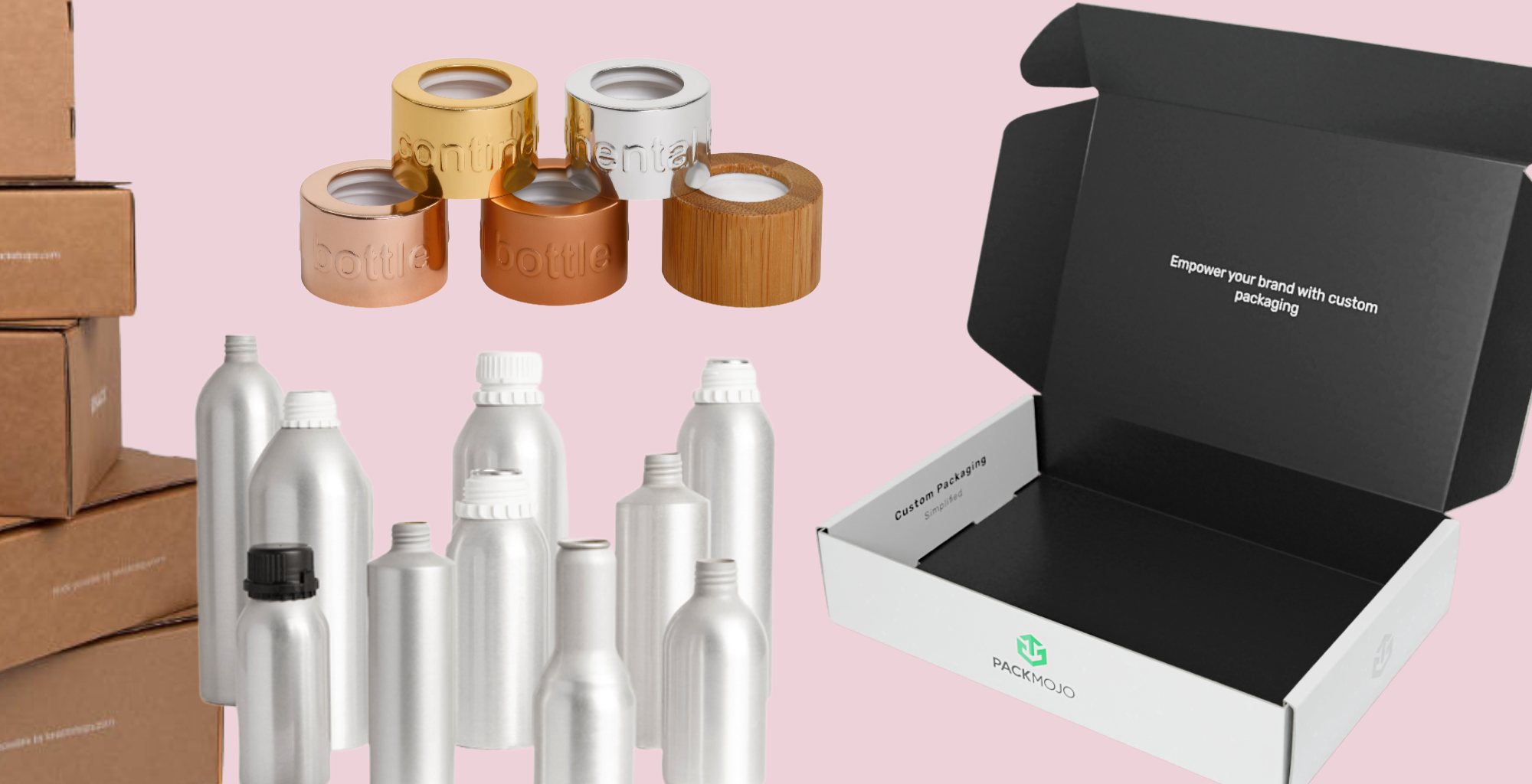
Custom packaging is no longer just about aesthetics. For businesses investing in reusable packaging, it must deliver on functionality, sustainability, logistics, and brand impact. Whether you’re packaging automotive parts, pharmaceuticals, or consumer goods, the right design can enhance product protection, reduce waste, and elevate your brand.
Understand Product Requirements
Before diving into design, it is essential to assess the specific needs of the product. Does it require temperature control, impact resistance, or compliance with regulatory standards? A clear list of product requirements ensures that packaging solutions are tailored to function effectively and meet industry expectations.
Choose Materials for Durability and Sustainability
Material selection is critical for reusable packaging. Options like PET (polyethylene terephthalate) and HDPE (high-density polyethylene) offer recyclability and strength. Brands should also explore ways to reduce plastic usage through recycled content, closed-loop systems, and right-sized packaging. These choices not only support environmental goals but also enhance brand reputation.
Optimise for Logistics and Handling
Packaging must be designed with the full supply chain in mind. Key considerations include:
- Correct sizing: Custom-fit packaging reduces material waste and improves product safety during transit.
- Lightweight design: Lighter materials lower shipping costs and improve handling efficiency.
- Reusability: Reusable formats reduce waste and offer long-term cost savings.
- Ergonomics: Packaging should support safe handling for workers throughout the logistics process.
- Smart packaging: Incorporating tracking tags or sensors can improve visibility and control across the supply chain.
Align Packaging with Brand Identity
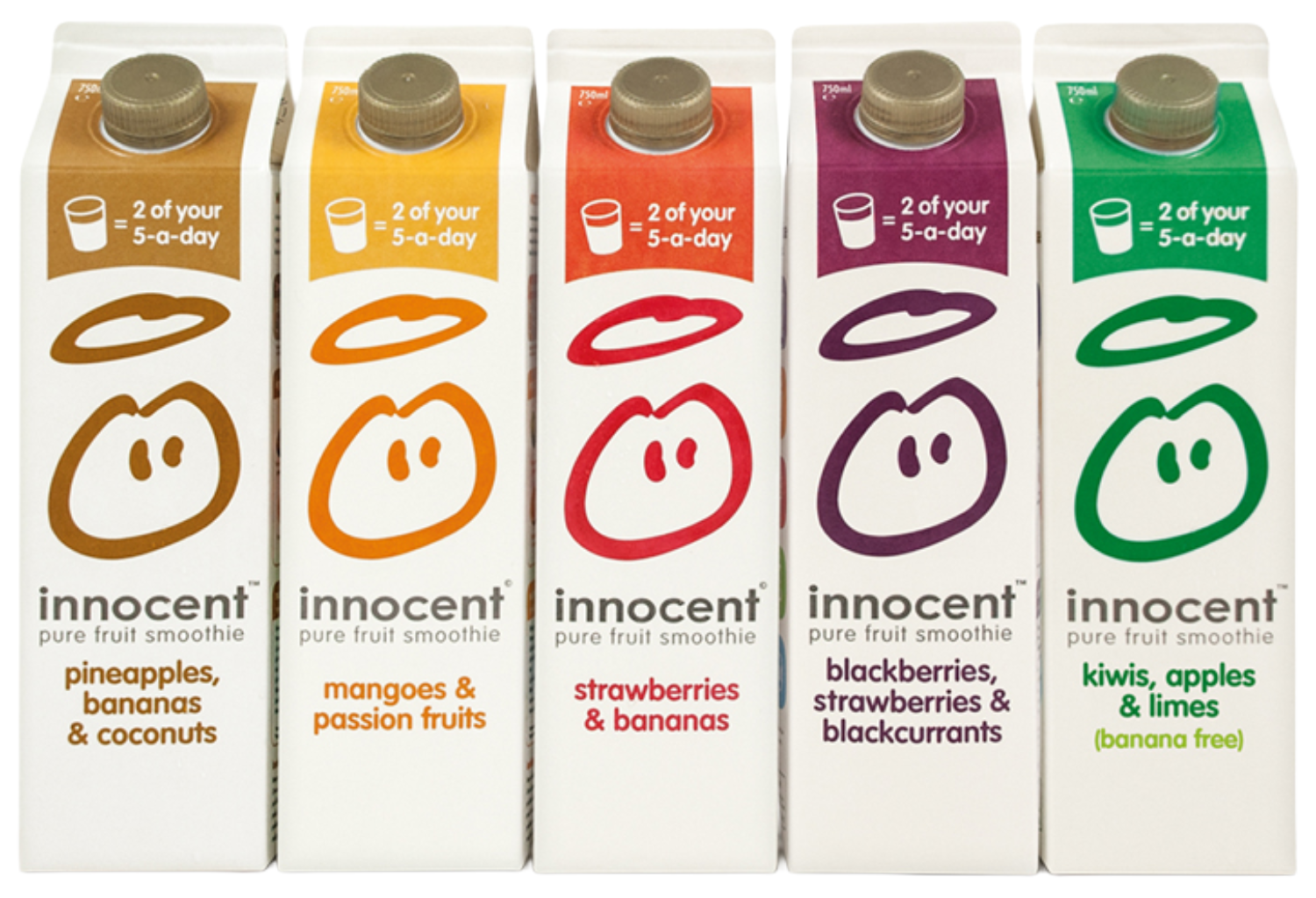
Packaging is a powerful tool for brand communication. It should reflect your company’s values and create a consistent visual identity. This includes:
- Recognition: Use logos and brand identifiers to ensure visibility in B2B logistics and warehousing.
- Consistency: Maintain brand colours, typography, and design elements across all packaging formats.
- Memorable experience: Well-designed packaging enhances operational efficiency and customer satisfaction.
- Protection: Custom inserts and tailored formats ensure products arrive safely and intact.
- Loyalty: Thoughtful packaging design can strengthen customer loyalty and encourage repeat business.
Consider Cost and Scalability
Effective packaging must balance performance with cost. Lightweight, reusable materials can reduce both packaging and shipping expenses. It is important to ensure that packaging investments align with product margins and long-term business goals.
Collaborate with Packaging Experts
Designing custom packaging is a strategic process. Partnering with experienced professionals ensures that your packaging meets technical requirements, supports brand positioning, and remains cost-effective. Expert collaboration can unlock innovative solutions that drive sales and improve customer experience.
Final Thoughts
Reusable packaging offers a compelling opportunity for businesses to improve sustainability, enhance brand impact, and optimise logistics. With the right approach and expert support, companies can design packaging that meets product needs, reflects brand identity, and delivers long-term value.