
Lorem ipsum dolor sit amet, consectetur adipiscing elit Lorem ipsum dolor sit amet, consectetur adipiscing elit
Latest news from Packaging Innovations & Empack
Why better packaging starts with broader perspectives

Packaging is ubiquitous. And yet, it’s rarely noticed until it works brilliantly, or goes badly wrong. For Sarah Leech, Head of Packaging Design for Home Care at Unilever, that paradox is exactly what makes packaging such a powerful and underestimated force.
Sarah reflects packaging’s shifting role from pure function to something far more complex and culturally loaded, and why diverse perspectives matter.
“The role of packaging is evolving again,” she explains. “It used to be functional, then it became part of the first moment of truth in a purchase. Now we’re seeing it engage people before they’ve even really seen the product or understood the brand.”
That change has profound implications for who gets heard in packaging design, and who doesn’t.
Beyond the ‘average’ consumer
Much of Sarah’s perspective comes back to empathy and understanding that designing for an imagined ‘average’ user often excludes real people. While she doesn’t frame this purely as a gender issue, she is clear that diversity in teams is essential to avoid blind spots in design. “To design good packaging, you need empathy with the people you’re designing for,” she says. “And that requires diversity in the teams doing the thinking and creating.”
Packaging, she argues, is not just a technical challenge but a human one. From how a product is opened, poured, stored or disposed of, to how it fits into busy, everyday routines, these moments of interaction are shaped by lived experience. When those experiences are missing from the design room, innovation suffers.
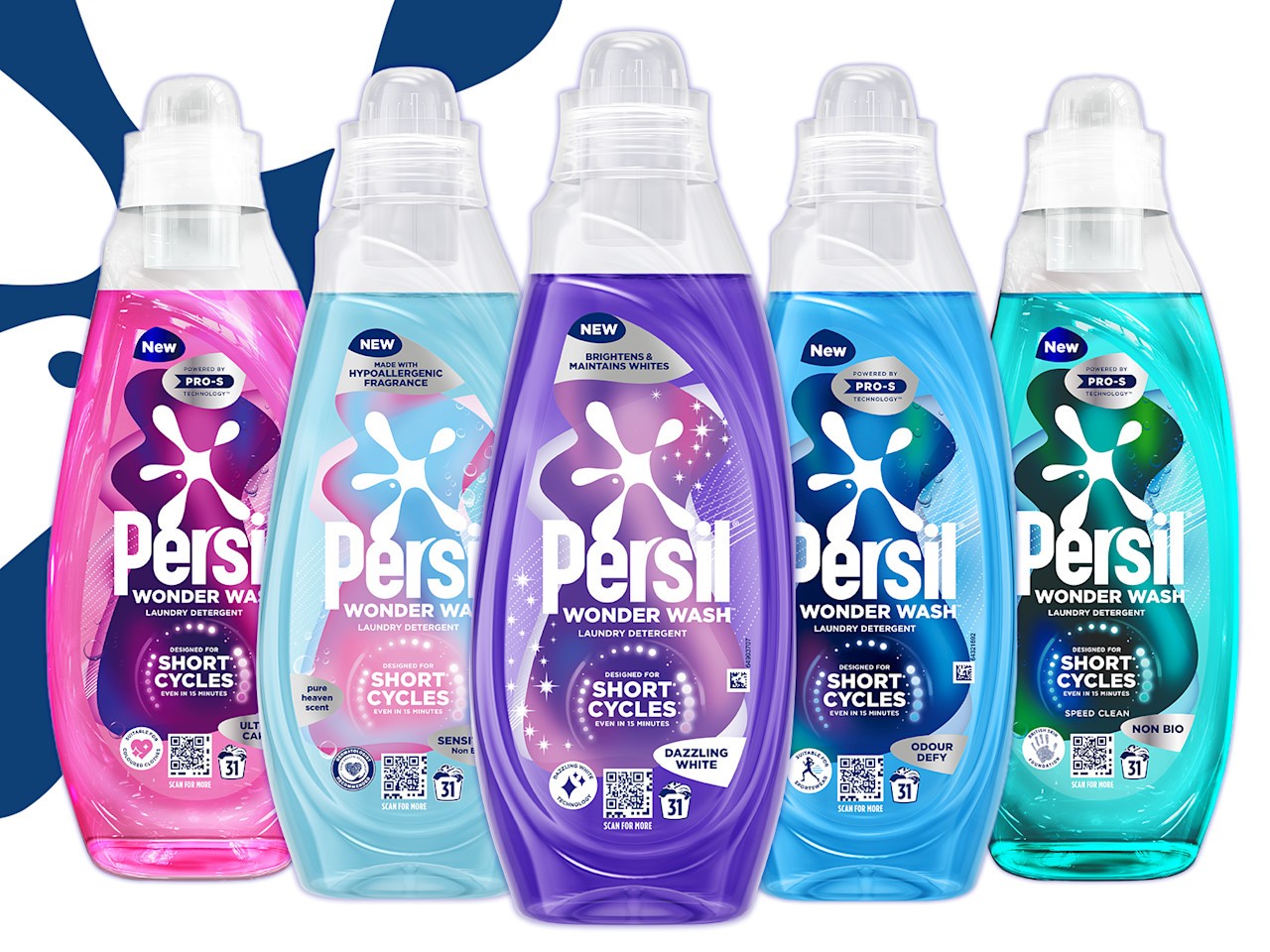
This is especially relevant in categories like homecare and personal care, where packaging is not only a container but part of how the product works. “Packaging can help apply the product or amplify what it does,” Sarah notes. “It’s not just there to contain something and look nice.”
Why packaging careers stay hidden
Despite its impact, packaging is still not widely recognised as a career in its own right – particularly in the UK. Sarah points out that many people, including her own family, struggle to grasp the scale and breadth of the discipline. “I’ve been working in packaging for 20 years and people still don’t really understand why there’s a whole role just for packaging,” she says.
This lack of visibility matters; packaging draws on engineering, design, consumer insight, sustainability, systems thinking and manufacturing, and yet it is rarely presented as a creative, inclusive or desirable career path. “There’s such an enormous diversity of roles,” Sarah explains, “From creative design through to hard engineering, and people who can interpret what consumer behaviour means for packaging.”
Events like Packaging Innovations & Empack play a crucial role here, helping to put a much-needed spotlight the people and perspectives behind the packs we all interact with every day. For Sarah, the value of the show lies as much in unexpected conversations as in formal sessions. “You become very immersed in your own esoteric part of the packaging world,” she says. “Stepping back helps you understand the industry more broadly.”
Designing for talkability, not just shelf appeal
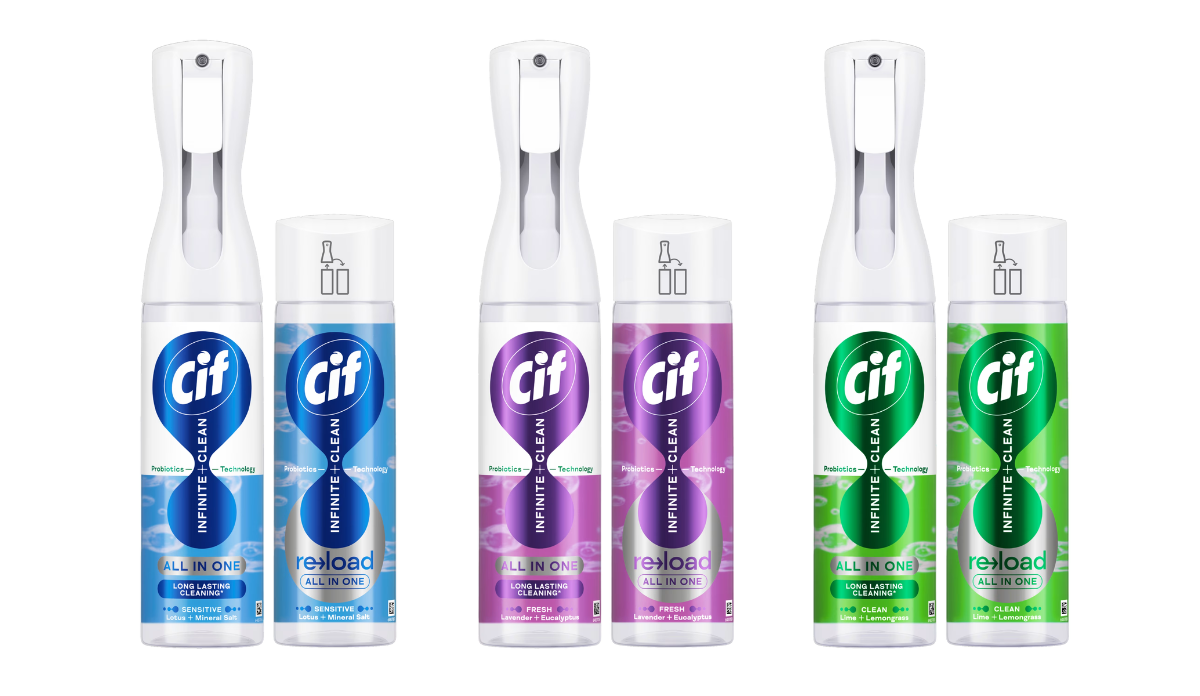
Another major shift Sarah highlights is the growing cultural role of packaging which is reflected in Unilever’s strategy around building ‘Desire At Scale’. Social media has transformed how people respond to everyday objects, creating new opportunities for packaging to spark conversation and joy. “If something is interesting or really bad, people talk about it,” she says. “Now they can also talk about something that made them smile or boosted their mood.”
She points to examples like limited-edition or playful formats that don’t fundamentally change the product but create moments people want to share. This is not about novelty for novelty’s sake, but about recognising that consumers value small moments of delight in an increasingly busy world.
For large brands however, this creativity has to sit alongside scale, cost, and operational reality. “Once you’ve chosen a format and built factories around it, changing then becomes a huge investment,” Sarah explains. “You have to make choices, and those choices have long-term consequences.”
Innovation under constraint
That tension is particularly visible in the sustainability agenda. While packaging formats in UK homecare haven’t changed dramatically, Sarah believes the industry is still far from peak innovation. Regulatory pressure, including upcoming PPWR requirements, is accelerating the need for system-wide thinking rather than isolated material swaps.
“You can’t just say, ‘we’ll put liquids in paper’,” she cautions. “Will it get collected? Will it get recycled? Will it biodegrade? These are end-to-end system problems.”
Access to recycled materials, uneven infrastructure, and limited data on real consumer disposal behaviour all add layers of complexity. “I don’t think we understand enough as an industry about what consumers actually do at end of life,” Sarah says. “Technology should help unlock that by making better data more affordable.”

Visible impact starts with representation
For Sarah, inclusivity is not a trend or a checkbox exercise, but rather a practical requirement for better outcomes. While she notes progress within Unilever’s R&D teams, she acknowledges that imbalance still exists across suppliers and leadership levels. “It has improved,” she says, “but it’s not where it could be yet.”
That is why conversations around representation matter, even in an industry that often sees itself as neutral or purely technical. Packaging may be small in format, but its impact is vast – shaping sustainability outcomes, consumer trust, and everyday experience at scale.
Share this article


Lorem ipsum dolor sit amet, consectetur adipiscing elit Lorem ipsum dolor sit amet, consectetur adipiscing elit
Latest news from Packaging Innovations & Empack
Lorem ipsum dolor sit amet, consectetur adipiscing elit. Ut elit tellus, luctus nec ullamcorper mattis, pulvinar dapibus leo.