
Lorem ipsum dolor sit amet, consectetur adipiscing elit Lorem ipsum dolor sit amet, consectetur adipiscing elit
Latest news from Packaging Innovations & Empack
Automation Nation: Why robotics must power the future of UK manufacturing

As the saying goes, if you’re not moving forwards – you’re going backwards. And in a world of increasing global competition, unpredictable costs, and mounting pressure on labour and sustainability, the UK’s manufacturing sector can no longer afford to delay the adoption of robotics and automation. That’s the message from Mike Wilson, one of the UK’s leading authorities on automation, who brings over four decades of experience into his role at the MTC.
At Packaging Innovations & Empack 2026, taking place 11 & 12 of February at NEC Birmingham, Mike will lead the Automation in Action session. The panel will spotlight how robotics, AI and connected systems are revolutionising packaging operations. But for all the promise, he says, the UK still lags far behind its international peers.
“The truth is, not much has changed in the last 12 months in terms of actual robot adoption numbers,” Mike says. “But what is changing is the mindset. For the first time in decades, the government is signalling that manufacturing matters again.”
Culture, confidence, and the fear of complexity
The UK’s historical hesitance to automate isn’t purely down to cost, Mike argues. It’s rooted in a deeper cultural mindset: a “make do and mend” philosophy that undervalues capital investment. SMEs, which make up the vast majority of UK manufacturers, are often cautious and risk averse.
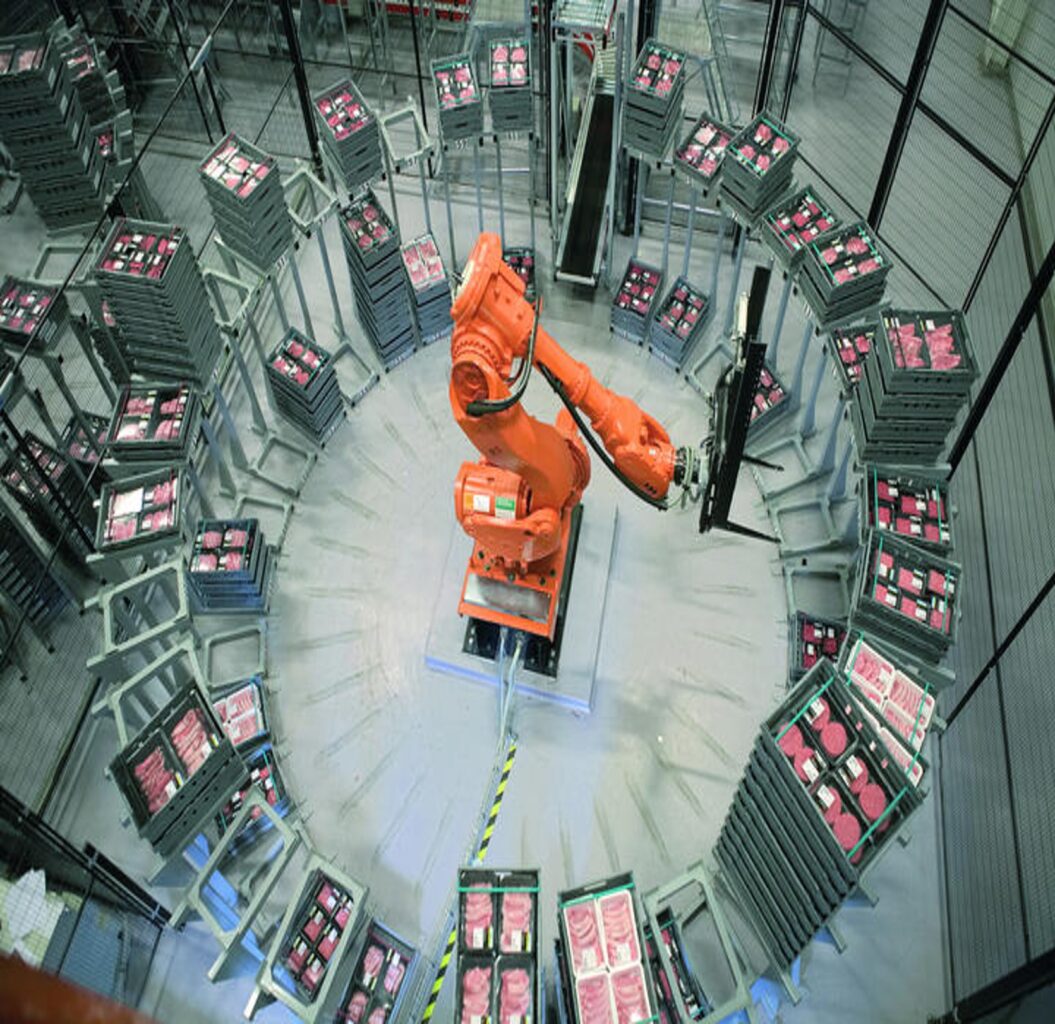
“Many businesses still have this outdated perception that robots are only for big automotive plants,” says Mike. “They think it’s too expensive, too complicated, or not suitable for what they do. But the reality is the opposite – systems are more affordable and easier to use than ever before.”
That fear is often compounded by gaps in practical knowledge.
“Most SME business leaders have never been taught how to buy automation. They don’t know how to write a specification, assess suppliers, or build a business case,” he explains. “We don’t teach that in apprenticeships or business school, and if you’re unfamiliar with the tech and the salesperson across the table knows far more than you do, it’s understandable why people hesitate.”
The solution, he believes, lies in independent, trusted support – organisations like the MTC who aren’t selling systems but offering impartial guidance, helping businesses start small, upskill gradually, and grow their confidence.
The people problem: Demographics and attraction
Another ticking clock is the workforce. “The average age in UK manufacturing is now over 50,” says Mike. “In 10 years, many of those people will have retired. And the next generation doesn’t want to do the same jobs their parents did – not unless there’s exciting and engaging tech involved.”
It’s easy to see this demographic shift as a threat, but savvy businesses also recognise it as an opportunity. “Younger people are digital natives. They’ve grown up with tech and they expect to use it at work. If we want to attract them into manufacturing, we have to build the kind of workplaces they want to be part of – automated, digital, connected” says Mike.
Automation, when done right, doesn’t replace jobs, it redefines them. From factory line programming to process monitoring, a new category of roles is emerging that blends operational oversight with digital skills. This also opens the door to a more diverse workforce.
“Historically, engineering has been male dominated. But the skillsets needed in future – analytical thinking, digital fluency, system control – are completely gender neutral. There’s no reason women shouldn’t be leading this shift too.”
Don’t automate the bottleneck
When companies finally decide to automate, Mike has a word of warning: start smart.
“One of the major mistakes we see businesses make is trying to automate the hardest job first; the biggest bottleneck. But there’s a learning curve. If it’s your biggest headache now, chances are it’ll be your biggest headache in automation too.”
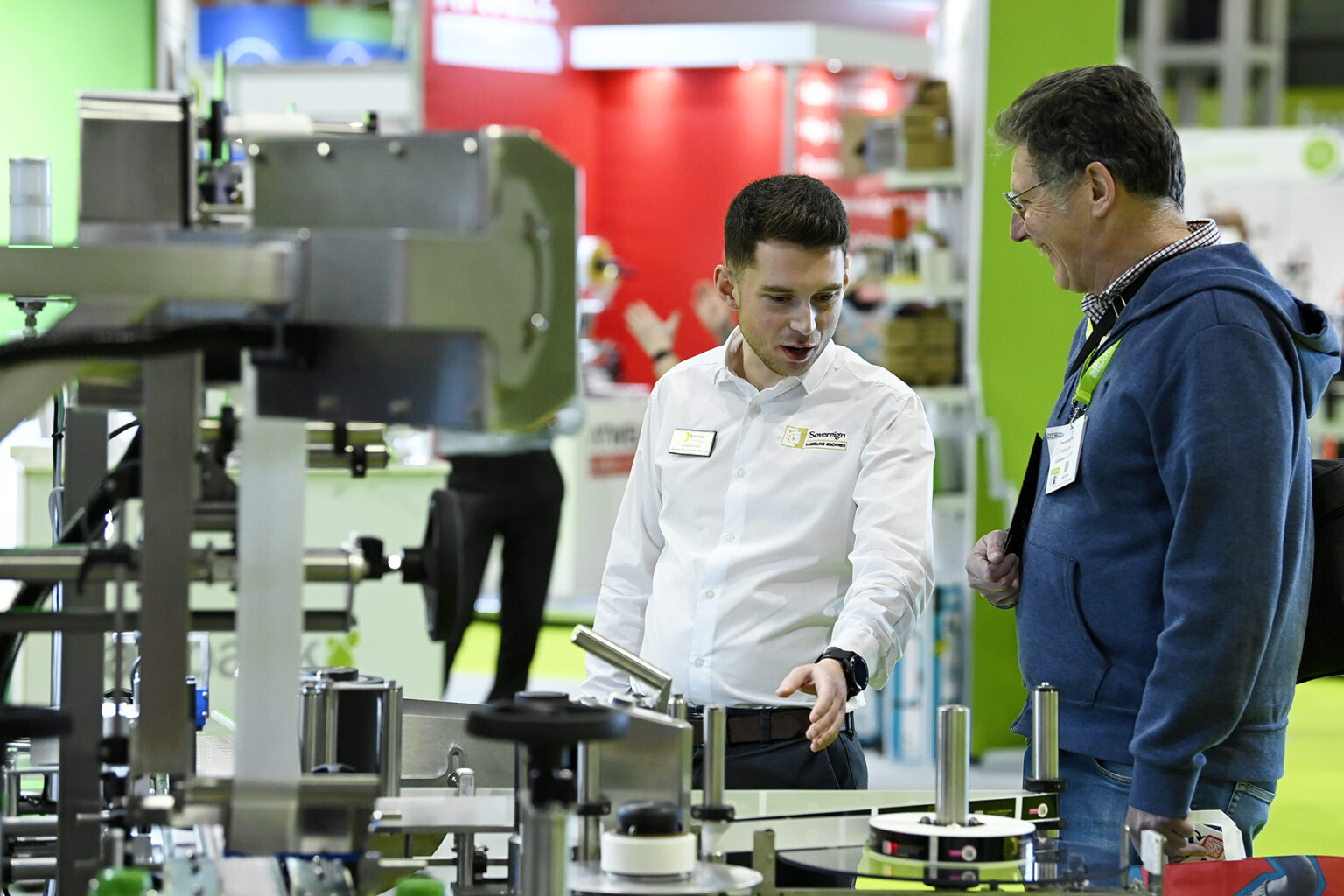
Instead, he advises starting with simple, repetitive tasks that free up skilled people to focus on more valuable work. Palletising, line loading, transferring – these are ideal starting points.
“A robot might not be faster than a person, but it’s consistent. It doesn’t stop for lunch or lose focus at 3pm. That stability is where the gains come from.”
AI, embedded intelligence, and what’s next
AI is already making its way into automation systems. Not in the form of humanoid robots, but as embedded intelligence that improves robot performance, simplifies programming, and enables predictive maintenance. “AI’s already here. It just doesn’t wear a badge,” Mike says. “And while some of the hype – especially around humanoids – will settle down, AI will absolutely continue to play a growing role in packaging and manufacturing.”
By enhancing flexibility, improving diagnostics, and lowering the barrier to entry, AI will make automation more accessible to more businesses – but that also means strategy is critical.
“Think about your end goal. Where do you want to be in five or ten years? Build your automation roadmap around that, including the training and investment you’ll need. Don’t bolt it on as an afterthought.”
Packaging’s productivity challenge
For the packaging industry, the opportunity is especially clear. Fast-moving, high-volume, and labour-intensive by nature, packaging operations are ideal candidates for automation. And yet, the sector still faces the same barriers: skills gaps, investment fears, and cultural resistance.
“If we haven’t started to change by 2030, we’re in trouble,” Mike says. “Productivity is the route to competitiveness – it lets you pay better wages, attract talent, and justify investment. Automation is the lever that unlocks all of that.”
Mike will be chairing ‘Automation in Action: Robotics as the engine for packaging agility’ at Packaging Innovations & Empack 2026, 11 & 12 February at NEC Birmingham. Bringing together key voices sharing insight and perspective on today’s hottest packaging and manufacturing topics, it’s set to be an unmissable edition of the show. To register for a free ticket to the event, visit www.packagingbirmingham.com.
Share this article


Lorem ipsum dolor sit amet, consectetur adipiscing elit Lorem ipsum dolor sit amet, consectetur adipiscing elit
Latest news from Packaging Innovations & Empack
Lorem ipsum dolor sit amet, consectetur adipiscing elit. Ut elit tellus, luctus nec ullamcorper mattis, pulvinar dapibus leo.