
Lorem ipsum dolor sit amet, consectetur adipiscing elit Lorem ipsum dolor sit amet, consectetur adipiscing elit
Latest news from Packaging Innovations & Empack
IPS: The invisible choreography behind exceptional packaging
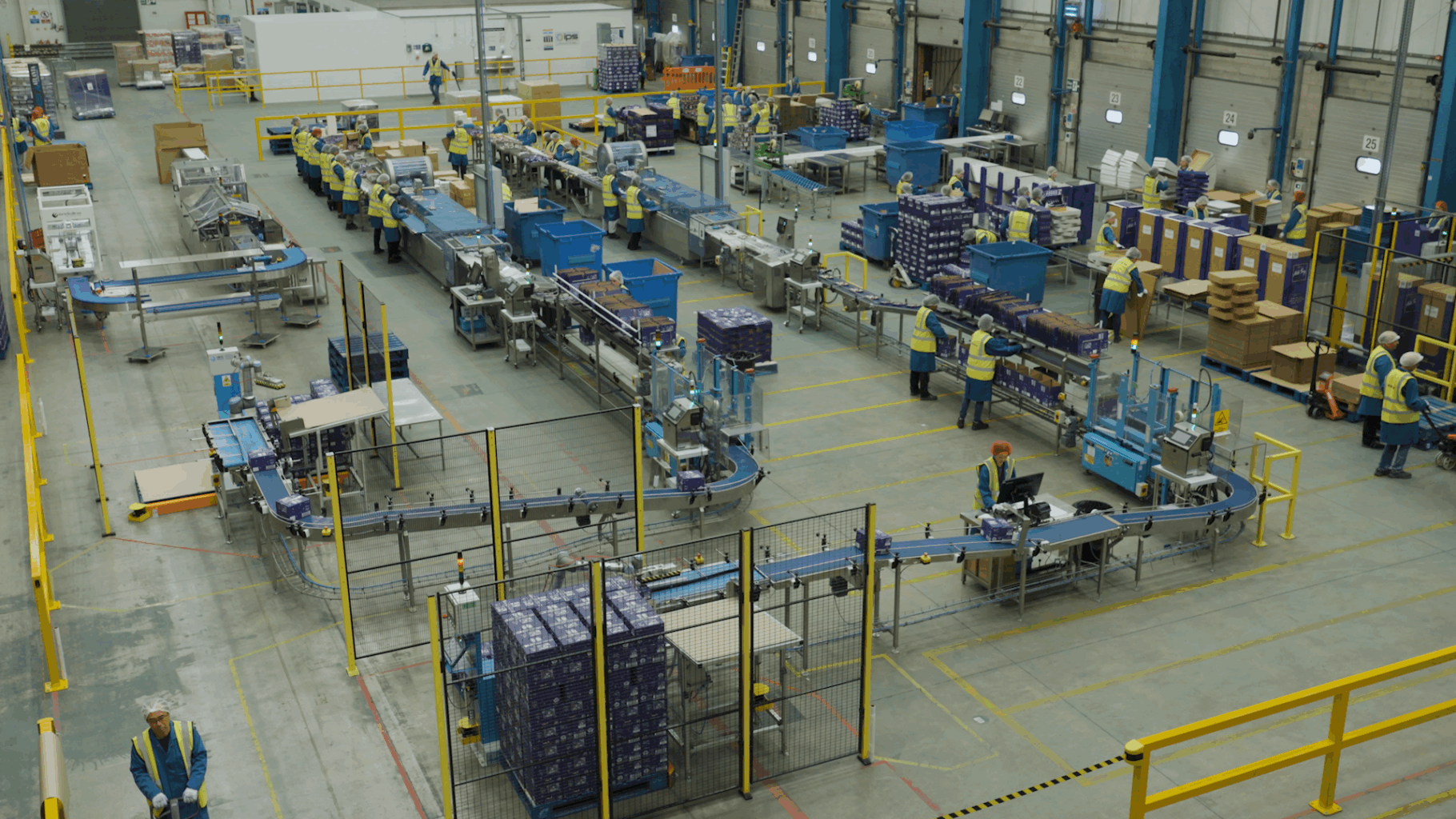
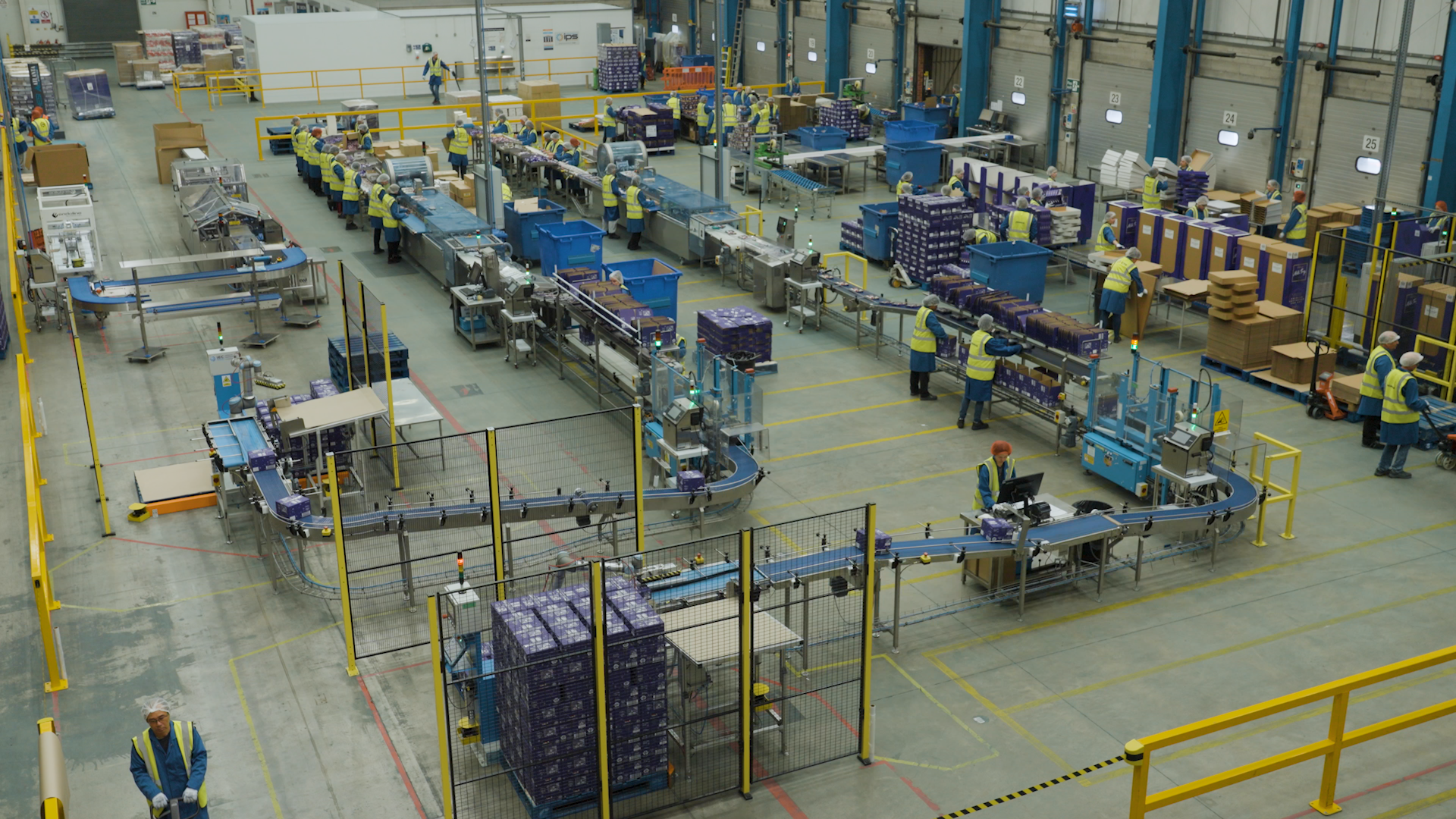
Step into any IPS facility, and the first thing that strikes a visitor is the sense of orchestrated movement. Conveyors hum in quiet unison, pallets glide into place with measured rhythm, and machines pulse with mechanical precision.
Yet these rhythms do not operate in isolation. The soul of IPS lies in the invisible choreography of human skill, judgment, and intuition. Across 750,000 sq ft of co-packing space, 250 packing lines, and 30 operating sites, IPS transforms raw materials into finished products with a level of care that can only be achieved when human expertise and technology move in harmony.
It is a complex dance, and one that the Packaging Innovations & Empack team were lucky enough to witness firsthand. At its Featherstone, West Yorkshire site, IPS operates over 35 production lines, each with its own character. Even lines that appear identical require subtle adjustments and expertise to achieve optimal performance, enabling the facility to respond to dynamic client requirements without compromising quality. Flexibility is embedded into every aspect of IPS operations.
Foundations of passion and purpose
At the helm of IPS is Andrew Dawson, Chief Executive Officer, who explains: “We are entirely passionate about what we do. And we talk about co-packers first and foremost because we know our place. We do not try to be manufacturers. Our role is to act as a natural extension of our clients’ manufacturing supply chain.”
Co-packing is, by its nature, a service industry, and the service extends far beyond the machinery. “If we can highly automate something, it should be sat in the client’s supply chain because we won’t add value,” he says. “Agility, flexibility, speed to market, and our hands-on approach are what we sell. When I’m not selling a selection box, a calendar, or a flow wrap, I am selling a service. Customers need to know their brands are safe in our hands, not just on our machines.”
This philosophy is tangible in the way IPS structures its operations, invests in machinery, and nurtures human talent. For IPS, foundations are as much about people and culture as they are about technology. Training, engagement, health and safety, and technical compliance are treated as pillars that uphold the entire operational architecture.
Cultivating skill and knowledge is central to IPS’s success. The facility invests in internal development, apprenticeships, and knowledge transfer to sustain a workforce capable of managing complex machinery. Apprentices bring energy and adaptability, while experienced employees contribute decades of practical insight. Multi-generational collaboration strengthens operations, ensuring continuity and resilience across seasonal and high-demand periods.
The subtle art of planning
Michael Dobbs, General Manager at IPS, describes the foresight that underpins every production cycle. “We’re very close to our customers, so we get a very early indication of the volume they’re after and the lines they’re running. We have to make sure there’s the right capability within the business. We put together a plan that balances labour as best we can, taking into account both seasonal lines and our core lines. We are constantly looking twelve months in advance.”
This meticulous planning enables IPS to navigate the pressure points of seasonal production. Christmas, Easter, and other peak periods bring fixed deadlines, and any disruption – be it a shortage of raw materials or packaging components – can ripple through the schedule. “All you need is a lack of supply, maybe on raw material, cartons, or cardboard, to stop a production line, but Christmas doesn’t change date, Easter doesn’t change date. You still have that volume to make, perhaps within a smaller window. It’s very much a game of chess, moving things around in conjunction with the client. We aim to give them solutions, not problems, through a two-way conversation,” Dobbs explains.
Operational planning at IPS is meticulous, and at its centre is Vision, the bespoke operational ecosystem developed entirely in-house from the ground up. Vision is the digital backbone of IPS operations, coordinating production, tracking every batch, and managing replenishment so that line leaders can focus on quality, flow, and team performance.
Every production run is built from a precise bill of materials and a defined rate, with Vision automatically allocating pallets and stock according to client-specific rules. Some customers prioritise best-before dates, others operate strict first-in-first-out logic, and many require bespoke handling. Vision accommodates each seamlessly, embedding traceability into every movement so IPS can respond rapidly and accurately should an issue arise.
Vision has been engineered to think the way IPS works, forecasting production, anticipating pinch points, and optimising capacity in real time. Lines operate with a minimum of one hour’s stock on hand, yet the system allows operators to flex in response to late-arriving components, seasonal surges, or unexpected complexity within a run.
Sophistication in specialisation
IPS does not aim to be a high-volume, undifferentiated packer. Certain sites specialise in highly technical and intricate packaging operations, where human skill is essential. For example, when a client needed a new flavour packed into pre-existing calendar slots, the IPS team reconfigured lines overnight, trained temporary staff, and delivered flawlessly.
As Dawson emphasises, “The fact that we talk about agility and flexibility, speed to market is because we sell those. And I have walked around for years saying, these are the most important things that we have in our business.”
Dobbs points out that seasonal workforce planning also involves returning staff, local recruitment, and careful integration of temporary workers to ensure continuity and consistency in performance. “We try to grow our own, but we also need to ensure we have the right people in place during peak periods. Our team balance is a careful blend of experience and fresh talent, guided by the complexity of the lines and the requirements of the job,” he explains.
Technical excellence as a cultural foundation
Technical rigour and compliance are embedded into every aspect of IPS operations. Phil Walker, Technical Director, outlines how this manifests in both culture and systems. “We’ve got 150 customers. Some really understand what they need and work to global food safety initiative standards. Others rely on our understanding of food safety and technical compliance, across people, ethical compliance, as well as food safety, health and safety, and environmental aspects. Some come to us for our know-how, and that is something we provide consistently.”
Walker emphasises the integration of compliance into operational culture. “What we’ve probably done quite effectively is build the banners that we see around the room. They’re not just there for marketing purposes. They were designed at the core foundations of our business to build solid foundations across technical compliance, technical equality, and health and safety. Food is at the core of what we do. The banners reflect policies, standards, and legal and regulatory requirements, ensuring that compliance is visible and embedded into everyday operations.”
Robust systems underpin this culture, providing transparency and traceability. “We’ve been able to build robust, transparent systems that we measure daily, weekly, and monthly. They become part of what we do culturally. When a client comes to us with a technical requirement, in most cases we can adopt it. Certain sites may require specific ethical or food safety standards, and we roll those out systematically as part of our permissions and processes,” Walker explains.
Anticipating change and creating markets
IPS thrives on anticipation, actively shaping demand by identifying emerging trends and investing in capability before the market catches up. Dawson offers tangible examples of this mindset: “Because of where sustainability is going and the need for recyclable mono-materials, we invested in a piece of kit that enables us to produce varying multi-packs. We had no work for it initially, but now we can go to clients and say, ‘We think we could do this for you.’ It excites them.”
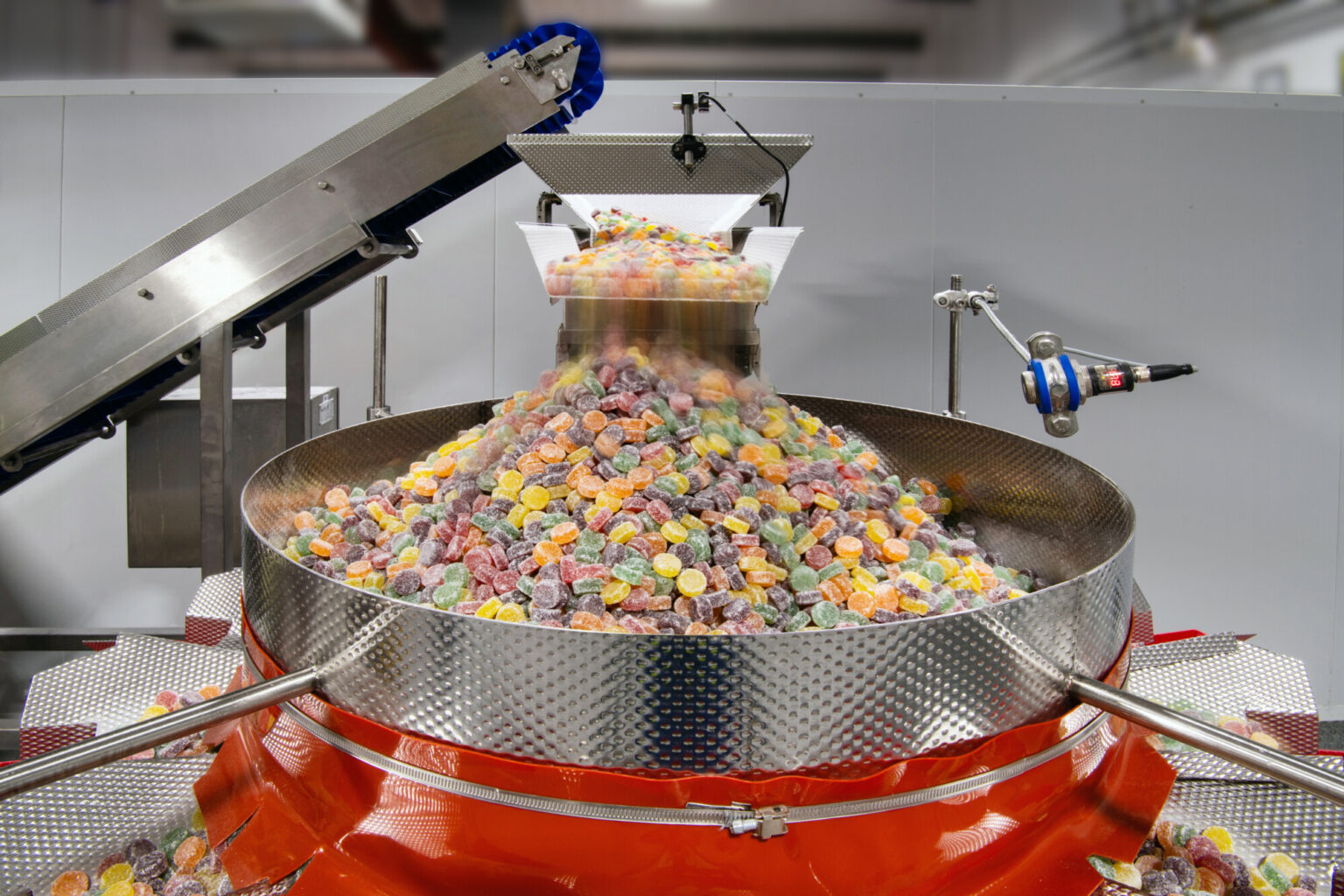
This proactive approach extends beyond individual machines. Across its thirty-plus sites, IPS maintains a vast and diverse machinery footprint, from flow wrappers and cartoners to multi-head weighers and bagging systems, each with multiple makes and configurations. This breadth allows the business to reconfigure lines, adapt formats, and offer bespoke solutions at speed. Engineers and line leaders collaborate to optimise performance and maintain flexibility.
A culture of belonging and engagement
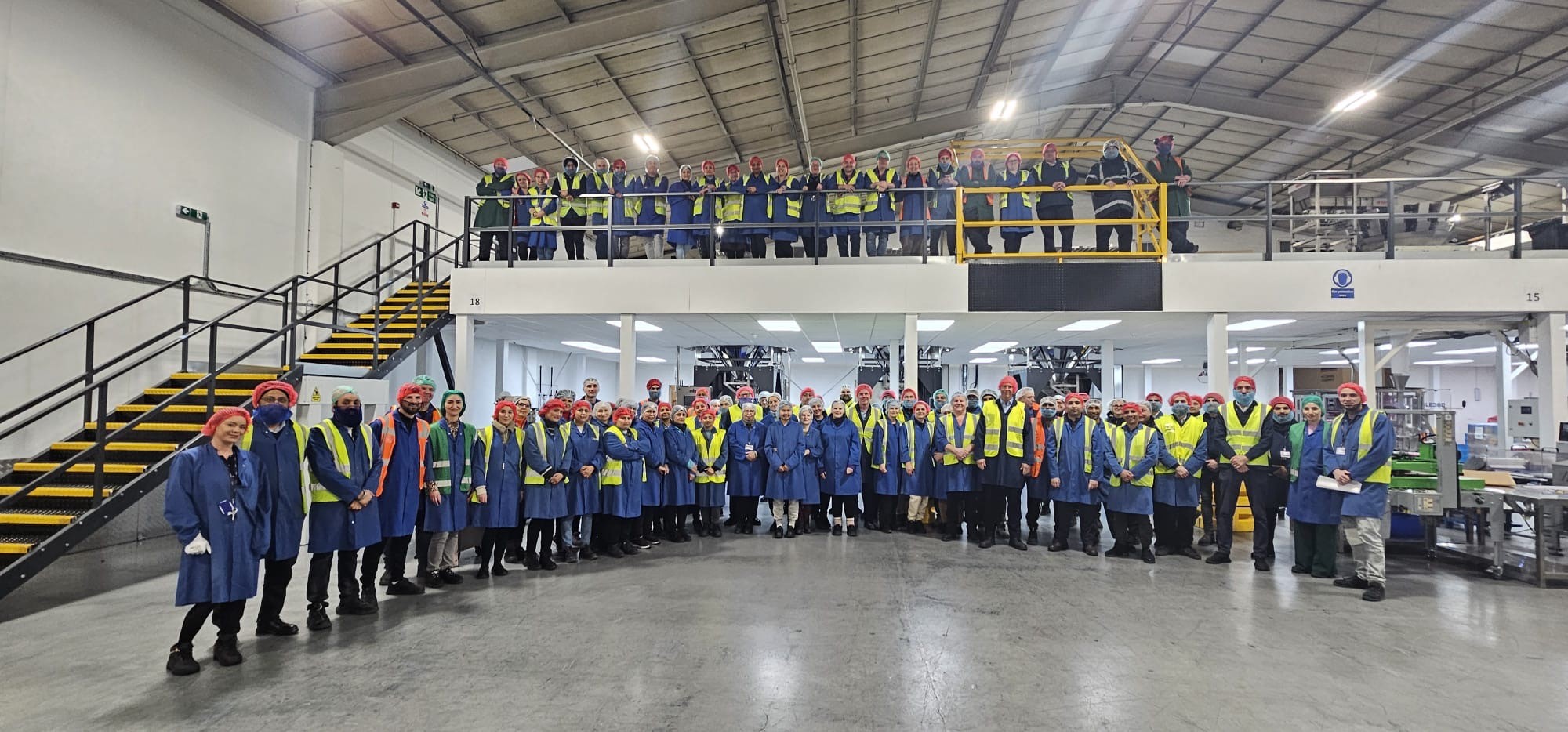
At IPS, operational excellence is inseparable from culture. Dawson emphasises that every employee must understand their purpose within the broader mission. “I constantly communicate to all our staff that they are part of something bigger. They are the best co-packers in the UK, excelling in health and safety, quality, and performance. This creates a sense of belonging and pride across the workforce.”
This sense of engagement extends to problem-solving, innovation, and process improvement. Employees understand that their role is vital, not only to operational efficiency but to client success.
IPS has many success stories that illustrate this approach. Often, these stories blossom into long-lasting relationships, as in the case of the small confectionery business that first partnered with IPS fifteen years ago. Initially, it sent three flavours for packing on a single slow-flow wrapper, but as demand grew, IPS scaled its operations alongside the client, maintaining quality, speed, and adaptability at every stage. Today, the products occupy supermarket shelves nationwide, demonstrating IPS’s ability to grow with clients through careful planning, operational expertise, and responsive execution.
Growth, sustainability, and the future
IPS’s growth strategy is deliberate and measured. “We have created a strategy, communicated it, and built on the fundamental pillars we started years ago. We are not reinventing ourselves every five years; we are enhancing what works,” Dawson explains.
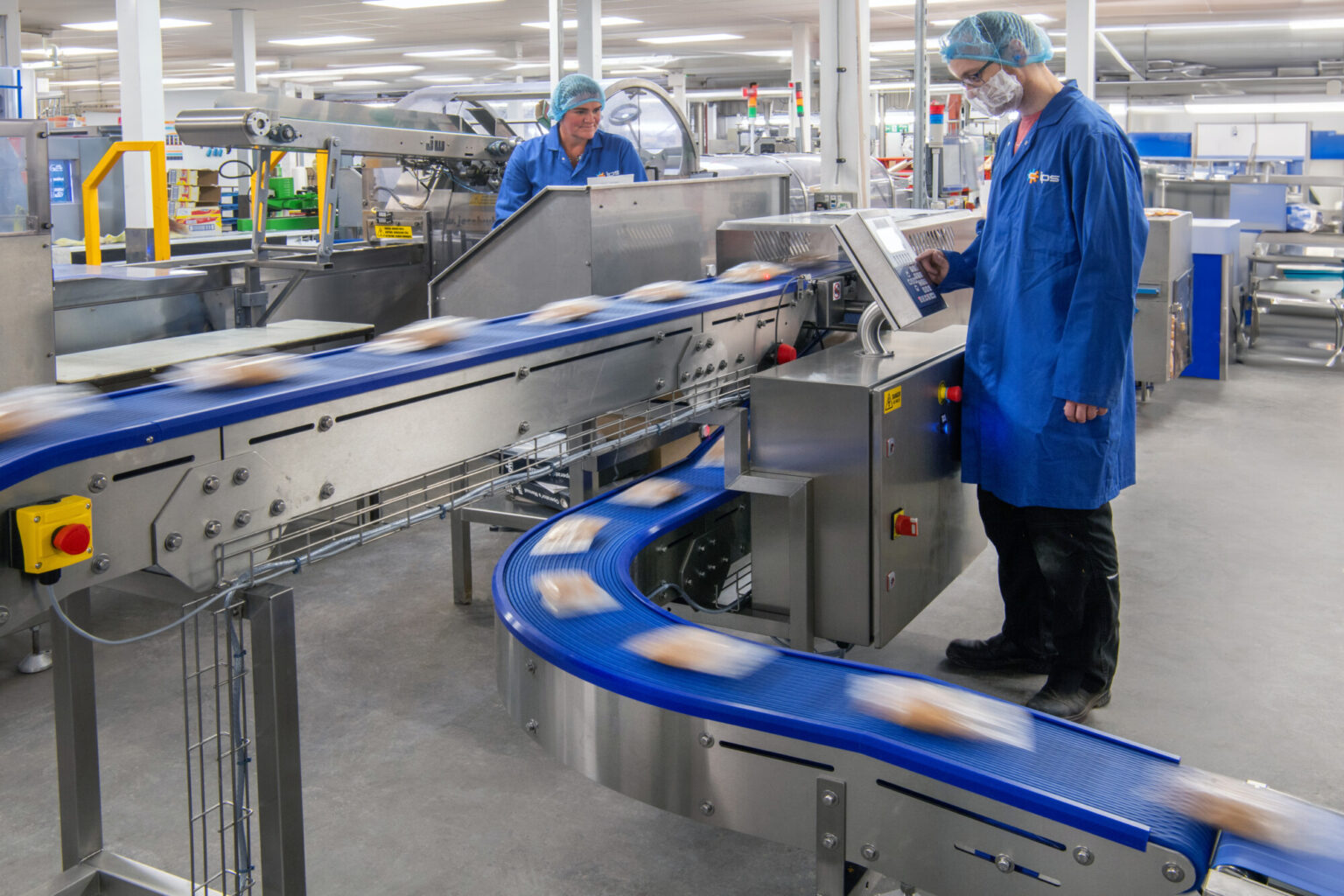
On the shop floor, production ticks along, combining naturalistic flow with mechanical precision in one hypnotic process. Every nudge and adjustment ensures each item reaches its next stop perfectly aligned. As one pallet departs, another forklift reaches for the next inbound consignment, ready to be helped along the way on its journey to the consumer in one perfectly balanced, interconnected ecosystem.
Dawson explains that the work is difficult to capture in words. “I remember the first time I walked in a co-pack factory not knowing that co-pack had existed. And I still find it amazing today that people walk through the doors here and react as you’ve reacted.” The statement captures the rare combination of scale, speed, and human skill that IPS delivers every day.
IPS will bring its invisible choreography to a wider audience at Packaging Innovations & Empack 2026 in February, marking the company’s debut at the two-day showpiece. Visitors will witness firsthand the seamless integration of human skill, technical expertise, and innovative systems like Vision, all orchestrated to deliver precision, flexibility, and reliability at scale. Register now for your free visitor pass and experience the meticulous craft, operational excellence, and visionary innovation that make IPS a true benchmark in co-packing.
Share this article

Lorem ipsum dolor sit amet, consectetur adipiscing elit Lorem ipsum dolor sit amet, consectetur adipiscing elit
Latest news from Packaging Innovations & Empack
Lorem ipsum dolor sit amet, consectetur adipiscing elit. Ut elit tellus, luctus nec ullamcorper mattis, pulvinar dapibus leo.