
Lorem ipsum dolor sit amet, consectetur adipiscing elit Lorem ipsum dolor sit amet, consectetur adipiscing elit
Latest news from Packaging Innovations & Empack
Managing cost, compliance and risk across supply chains
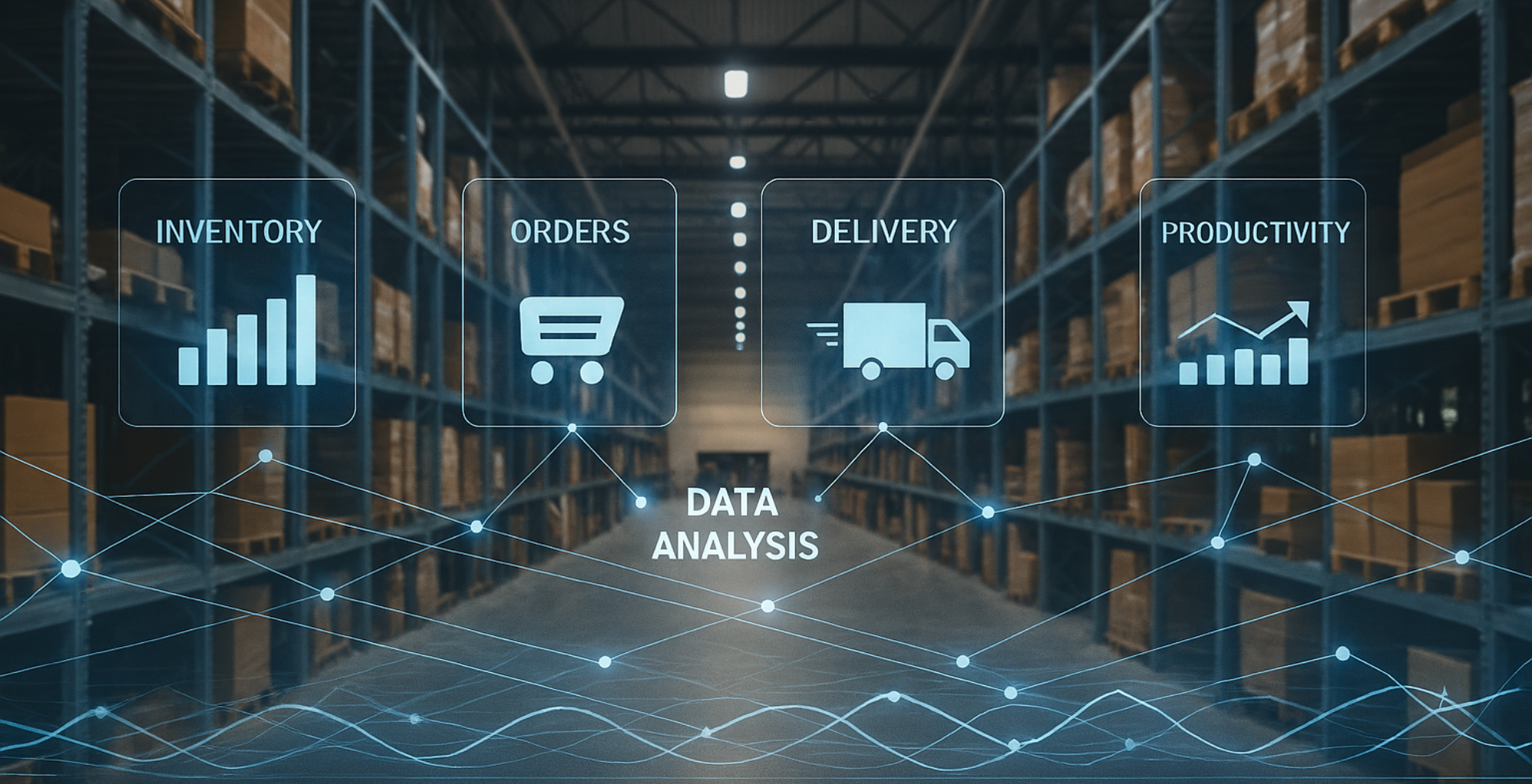
Food and beverage supply chains have entered a decisive new phase. In 2026, disruption is no longer the headline challenge; instead, regulation, rising costs and digital integration are redefining how products move from source to shelf.
New regulatory frameworks are pushing compliance to the centre of supply chain strategy. In the EU, the Packaging and Packaging Waste Regulation (PPWR) introduces harmonised labelling and recyclability requirements from August 2026, placing new demands on packaging design, data accuracy and cross-border consistency. At the same time, the EU Deforestation Regulation (EUDR) requires manufacturers to prove that key commodities are deforestation‑free and fully traceable to origin, fundamentally altering sourcing and supplier relationships. For exporters to the US, FSMA Rule 204 compounds these pressures by mandating access to traceability data within 24 hours, making manual processes increasingly unviable.
Alongside regulation, structural cost pressure is reshaping logistics decisions. Tariffs, energy volatility and ongoing disruption to global trade routes have embedded uncertainty into food supply chains. Cost predictability is declining, while exposure is increasing – forcing manufacturers to rethink sourcing strategies, inventory models and transport networks.
Technology is emerging as the critical enabler. AI‑driven systems integrated into ERP platforms are allowing businesses to move beyond visibility towards automation and orchestration. Real‑time data from logistics, quality and production systems is enabling faster responses to disruption, predictive risk modelling and more resilient decision‑making. Tools such as digital twins are helping manufacturers simulate disruption scenarios before they occur, while automated order and inventory management systems are reducing friction across the supply chain.
Sustainability is also moving from aspiration to cost driver. Extended producer responsibility schemes, carbon‑related costs and upcoming UK pEPR reforms are directly linking packaging and logistics decisions to financial performance. Efficient transport, reduced waste and smarter packaging are no longer just sustainability wins – they are economic necessities.
As these forces converge, supply chains are becoming more regional, data‑driven and compliance‑focused. The future of food logistics will depend less on speed alone, and more on intelligence, traceability and resilience built into every stage of the system.
Share this article

Lorem ipsum dolor sit amet, consectetur adipiscing elit Lorem ipsum dolor sit amet, consectetur adipiscing elit
Latest news from Packaging Innovations & Empack