Lorem ipsum dolor sit amet, consectetur adipiscing elit Lorem ipsum dolor sit amet, consectetur adipiscing elit
Latest news from Packaging Innovations & Empack
From <1% to real progress: How Prevented Ocean Plastic is unlocking food-safe recycled polypropylene
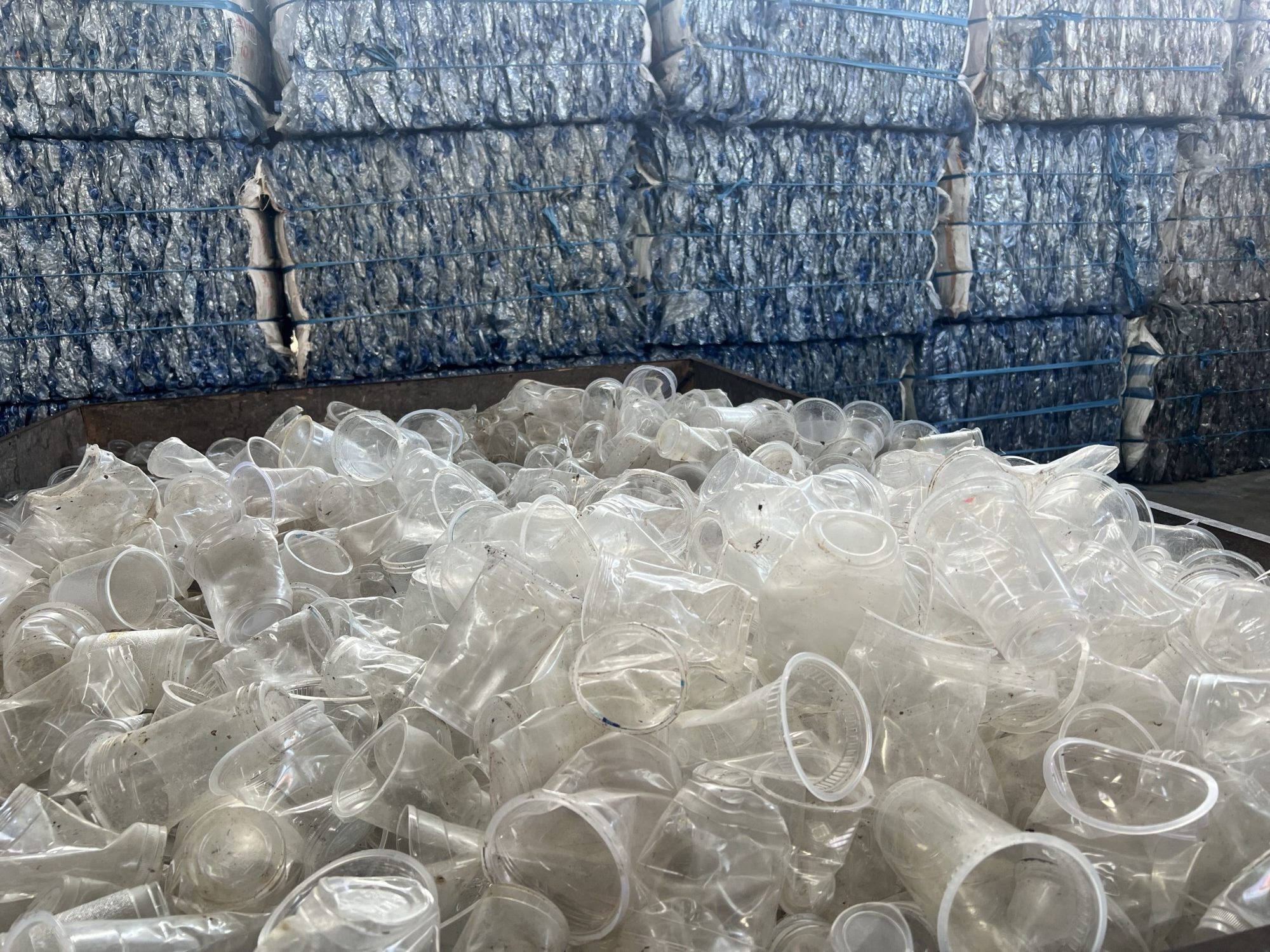
Polypropylene is ubiquitous. It’s found in endless volumes of cups, trays, caps, films and closures, and yet when it comes to recycling, it has long been an industry blind spot. Around 80 million tonnes are produced every year, but by most estimates, less than 1% is recycled.
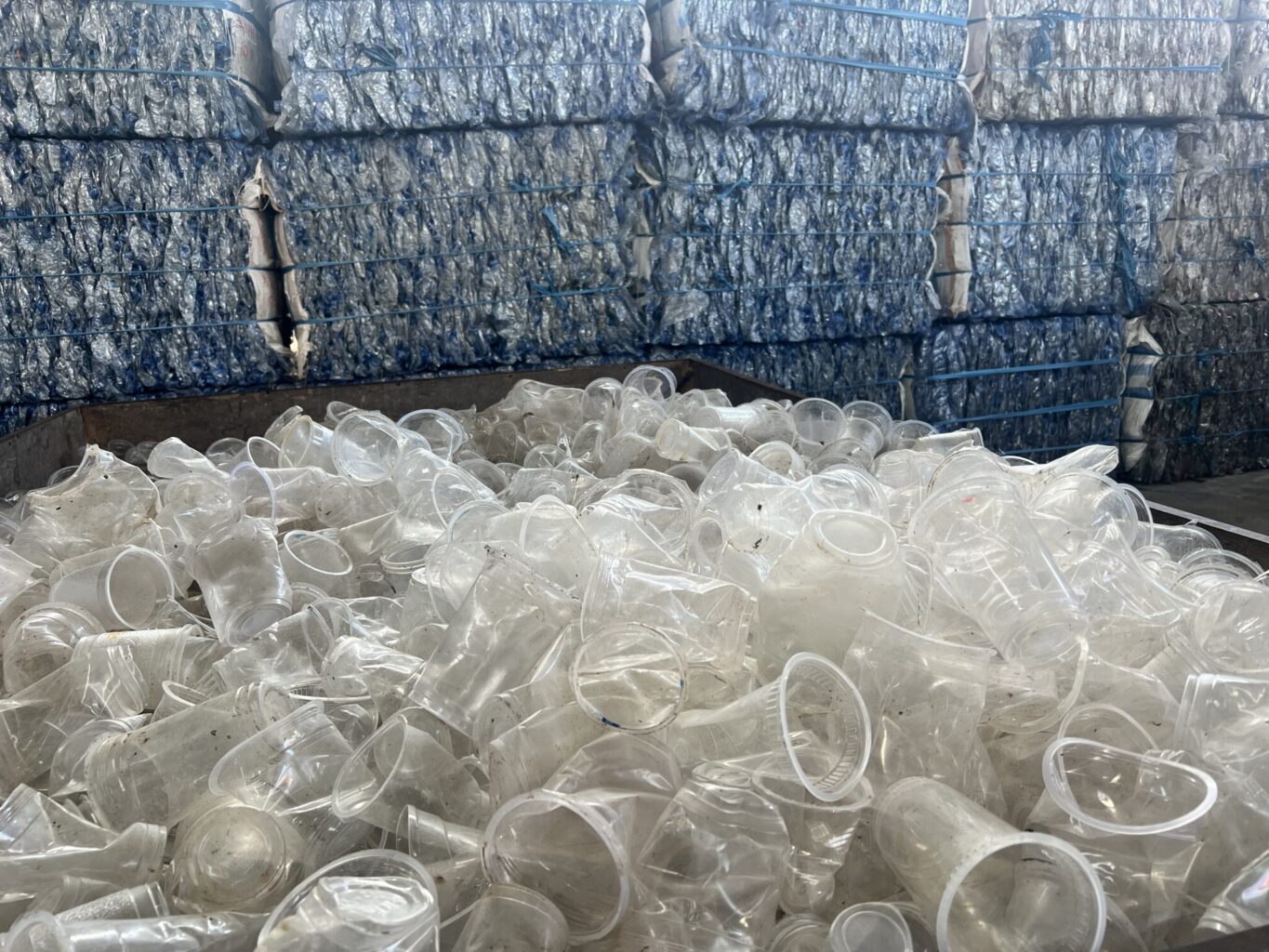
At this year’s Packaging Innovations & Empack, Prevented Ocean Plastic (POP) unveiled what many in the industry have known was needed, but difficult to achieve: the world’s first mechanically recycled, food-safe polypropylene (rPP) approved to European standards.
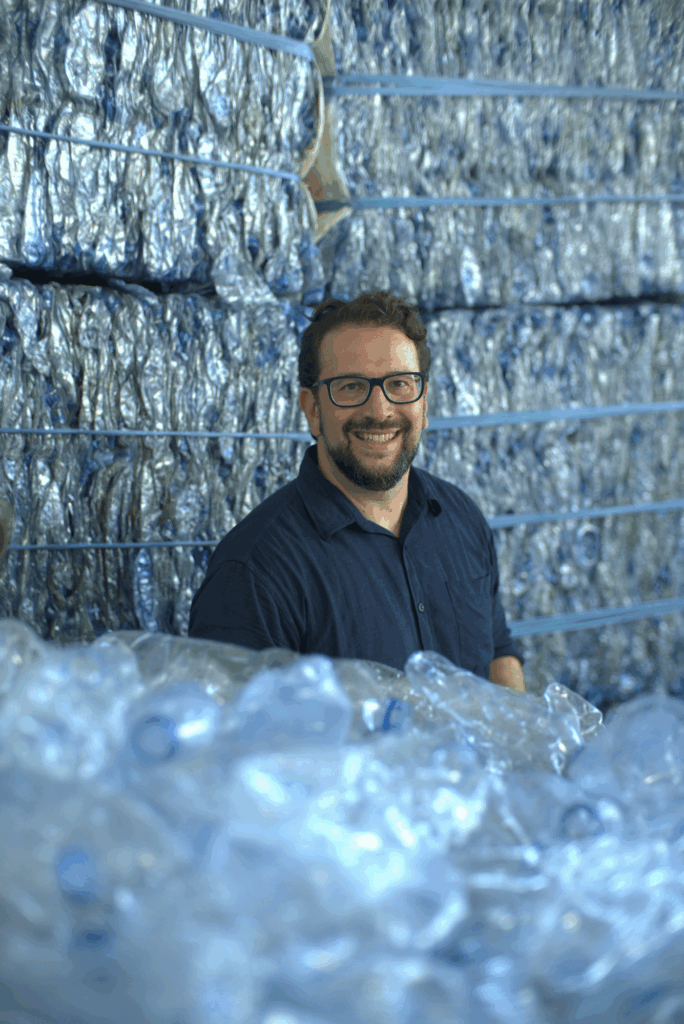
For Raffi Schieir, Director of Prevented Ocean Plastic, the moment represents far more than a technical milestone to tick off. It’s a structural shift that redefines what’s possible with the substrate.
“It’s a huge step forward for the industry, and an even bigger step forward for what responsible supply chains can deliver,” he says. “We can now have mechanically recycled polypropylene in final food-safe products, and that’s simply never been done before.”
Turning hard-to-recycle into high-value
Polypropylene is the second most widely used plastic polymer after PET. Yet, unlike PET, it has historically lacked a viable, scalable recycling pathway, especially for food contact applications. Adding to the problem, where it has been recycled, it has been typically downcycled into lower value uses. As a result, virgin polypropylene is still required for high-spec packaging and food-contact applications, limiting the impact recycled material can have on reducing primary plastic demand.
What’s been missing is a route back into the very applications that drive the highest demand. By achieving EU 2022/1616 compliance, POP and its supply chain partners have opened a new incentive model for collection and reuse.
“Being able to bring it into a higher incentive, higher quality, and higher price-point food-safe market really opens up exciting new opportunities,” explains Raffi. “If we’re all trying to create better packaging and better products, while touching our core principles of social and environmental responsibility, what we have now is a real solution.”
The mechanics behind a milestone
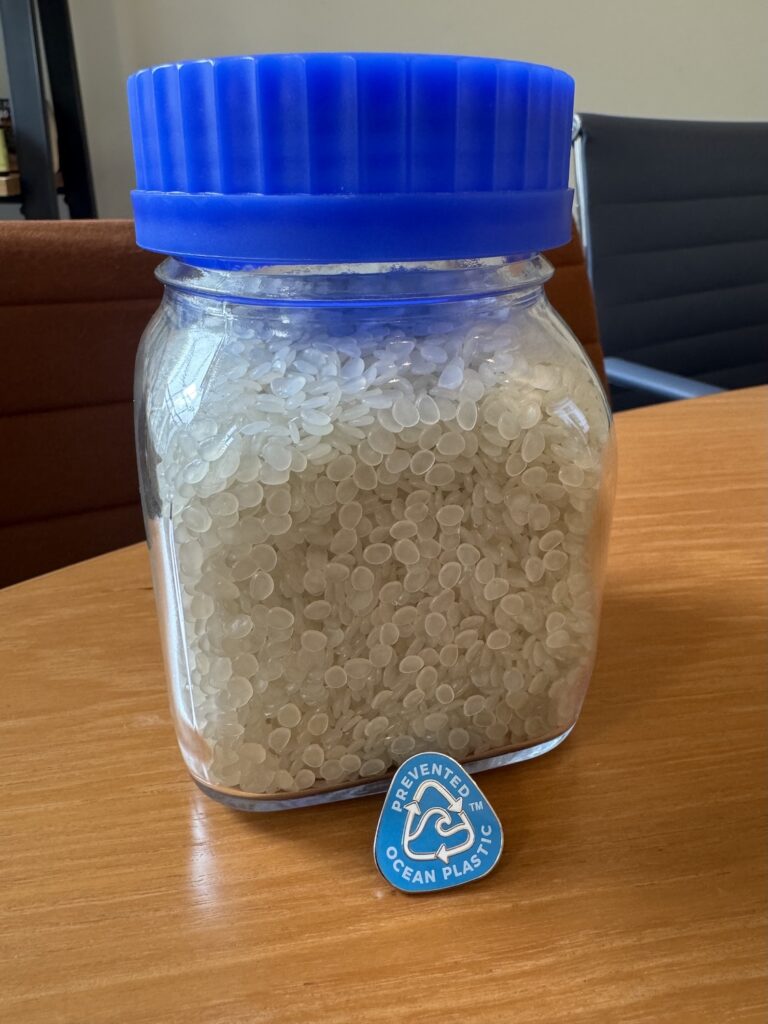
Big sustainability breakthroughs often get reduced to a single line. ‘World-first’, ‘game-changing’, or ‘food-safe’ – but this one is more like a relay race than a solo sprint. The achievement isn’t just that recycled PP can now meet European food-contact standards; it’s that the entire chain required to make that possible has been built and proven end-to-end.
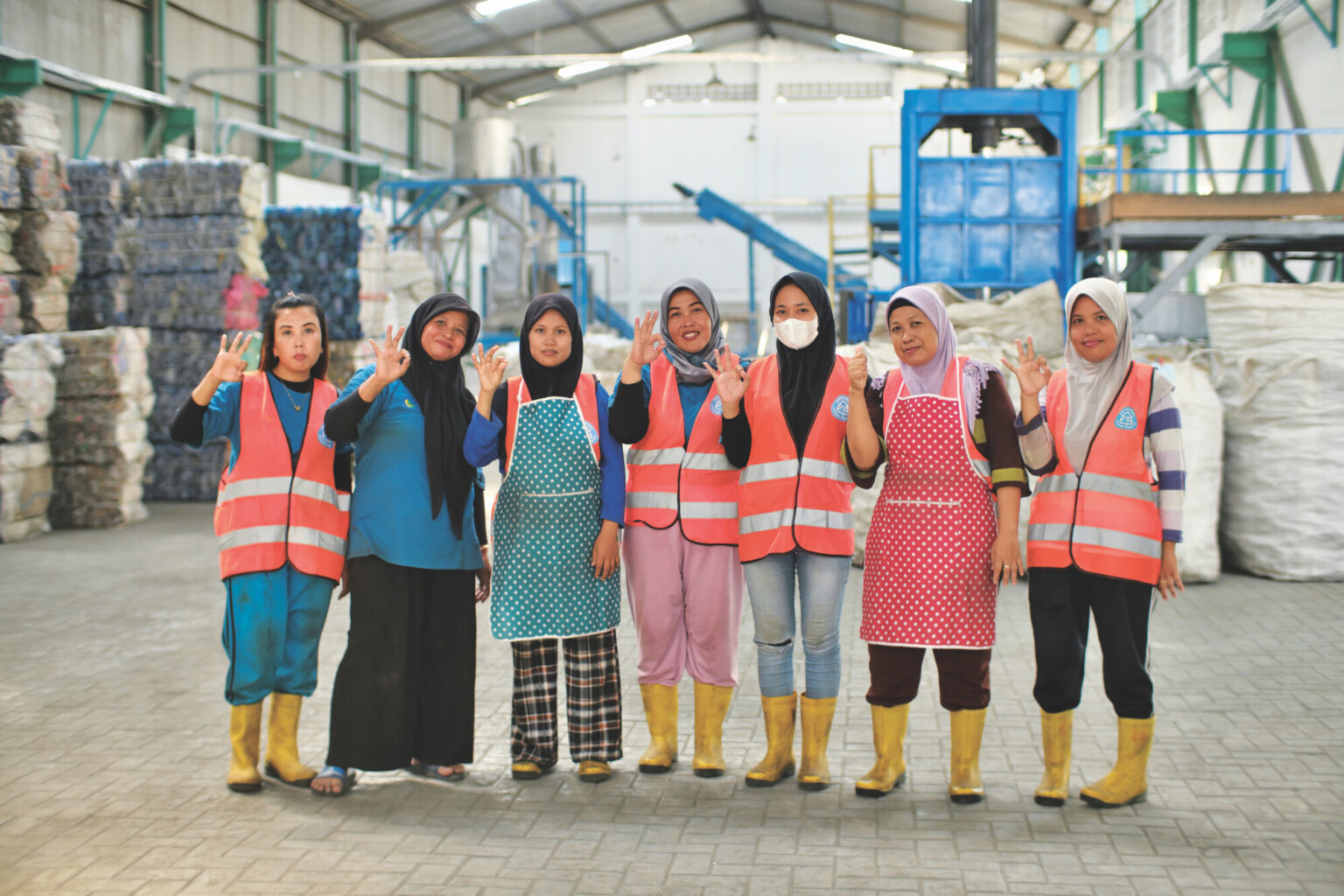
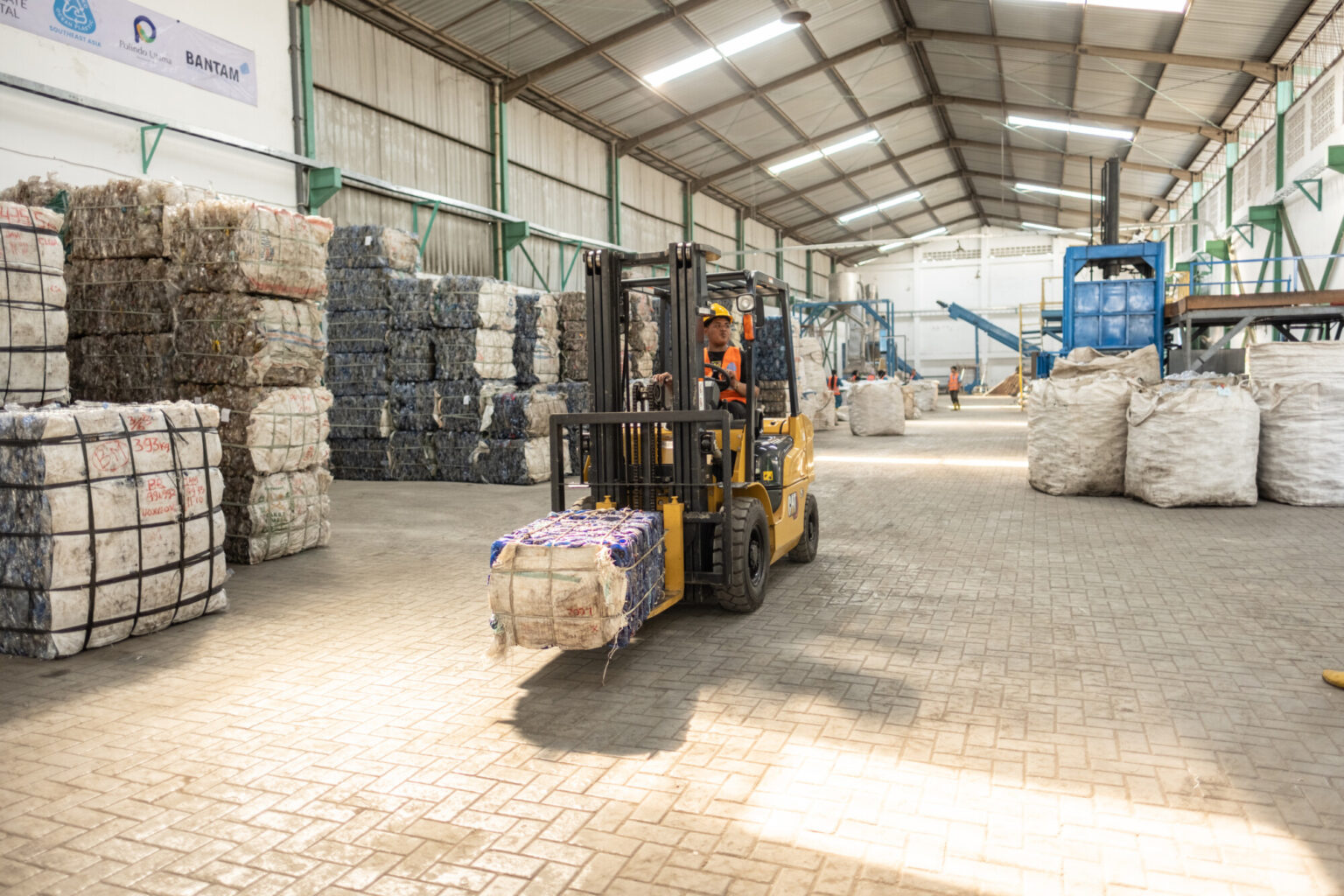
At the heart is Prevented Ocean Plastic’s franchise model for collection, designed to work in at-risk coastal communities before discarded plastic becomes ocean plastic.
The idea is simple: intervene early, put control and traceability around the material stream, and create a system where collection is properly incentivised because the output has genuine value. It’s a model already supported in Indonesia through the Danone Aqua-backed collection centres, and it’s designed to be replicated in other regions where leak risk is high and infrastructure is limited.
That ‘controlled collection’ point is pivotal. Polypropylene is everywhere, but not all PP is equal when it comes to recycling. Food-contact compliance isn’t something you can brute-force with good intentions, it requires consistent input quality and confidence in what the material has been exposed to. By investing in the ability to sort and customise feedstock, POP is essentially doing the hard upstream work that makes downstream innovation viable.
The material is already being used across multiple formats, such as injection moulding, blow moulding, trays, and crucially, flexible applications. “It was always a pipe dream to get recycled rPP into flexibles,” he says. “Now, the flexible category is wide open.”
The progress is crystal clear; reusable coffee cups made from mechanically recycled rPP are already on the market, while BOPP film applications are progressing. The market, it seems, is moving.
No more chicken and egg
When it comes to sustainability, breakthroughs are typically slowed by familiar arguments. Lack of scale, lack of regulatory clarity, and lack of commercial case, are the usual suspects. Raffi is clear that those boxes are now ticked.
“This has been delivered through audited collection, market-leading tech, and regulatory work. It’s all out there in open space and with total visibility. Anybody can investigate, and anyone can take a look.”
Demand, he suggests, is not an issue. ICIS data points towards a potential demand of 150,000 tonnes per year already, potentially exceeding a million tonnes annually by 2030 under PPWR requirements.
“In fact, our current material output is around 10,000 tonnes per annum and we’re already 10 times oversubscribed!” Raffi says. “The demand is clearly there. The early adopters will be supported, but the brands that wait too long could find it a lot harder to source.”
The unmistakable subtext is that with the certified rPP described by Raffi, it’s no longer about proving viability, but about securing supply.
Built on a franchise model
What underpins this breakthrough is POP’s franchise-based collection system in at-risk coastal communities, including Indonesia, supported by audited processes and long-term partnerships across the supply chain.
“For the last five years we’ve been developing collection models, audit procedures, regulatory procedures and partnerships,” Raffi says. “Five years might sound long, but actually it’s quite fast to bring innovation to market and have products on shelves.”
The collection and recovery model, already proven with PET plastic, has seen more than 1,000 products currently using Prevented Ocean Plastic PET. This successful model is now expanding into other materials. “Each one of these opens up a giant category of business,” he explains. “PET came first. PP is next. HDPE is around the corner.”
Importantly, Raffi’s drive is not rooted purely in environmental advocacy.
“People say, ‘You’re an environmentalist.’ I guess I am by default,” he says. “But the drive has always been different. I love solving problems. And this is one of the industry’s biggest problems.”
The jump from incremental to step-change
Prevented Ocean Plastic has exhibited at Packaging Innovations & Empack for three consecutive years. Raffi is candid about the difference this year represented. “Previously, it’s been about steady, incremental growth. Getting the right messages across,” he says. “This year, it’s about a step change. It’s about real innovation.”
That distinction matters because in an industry often accused of moving too slowly, incrementalism has been the norm. A few percentage points here, a material swap there. Food-safe, mechanically recycled polypropylene at scale changes the conversation entirely.
“We’re talking about shifting real tonnages into a recycled category,” Raffi says. “For years, polypropylene has been produced at scale with almost no viable recycling pathway. If we can redirect even a fraction of that volume back into food-grade applications, that’s when you start to see meaningful displacement of virgin material.”
Prevented Ocean Plastic showcased its food-safe rPP breakthrough at Packaging Innovations & Empack 2026, marking a major milestone for mechanically recycled polypropylene in Europe.
If you’d like to see the next wave of step-change innovation in person, you can now register your interest for Packaging Innovations & Empack 2027 at the NEC Birmingham.
Share this article

Lorem ipsum dolor sit amet, consectetur adipiscing elit Lorem ipsum dolor sit amet, consectetur adipiscing elit
Latest news from Packaging Innovations & Empack


Lorem ipsum dolor sit amet, consectetur adipiscing elit. Ut elit tellus, luctus nec ullamcorper mattis, pulvinar dapibus leo.