Lorem ipsum dolor sit amet, consectetur adipiscing elit Lorem ipsum dolor sit amet, consectetur adipiscing elit
Latest news from Packaging Innovations & Empack
Polymer & packaging prices surge amid an international supply crisis
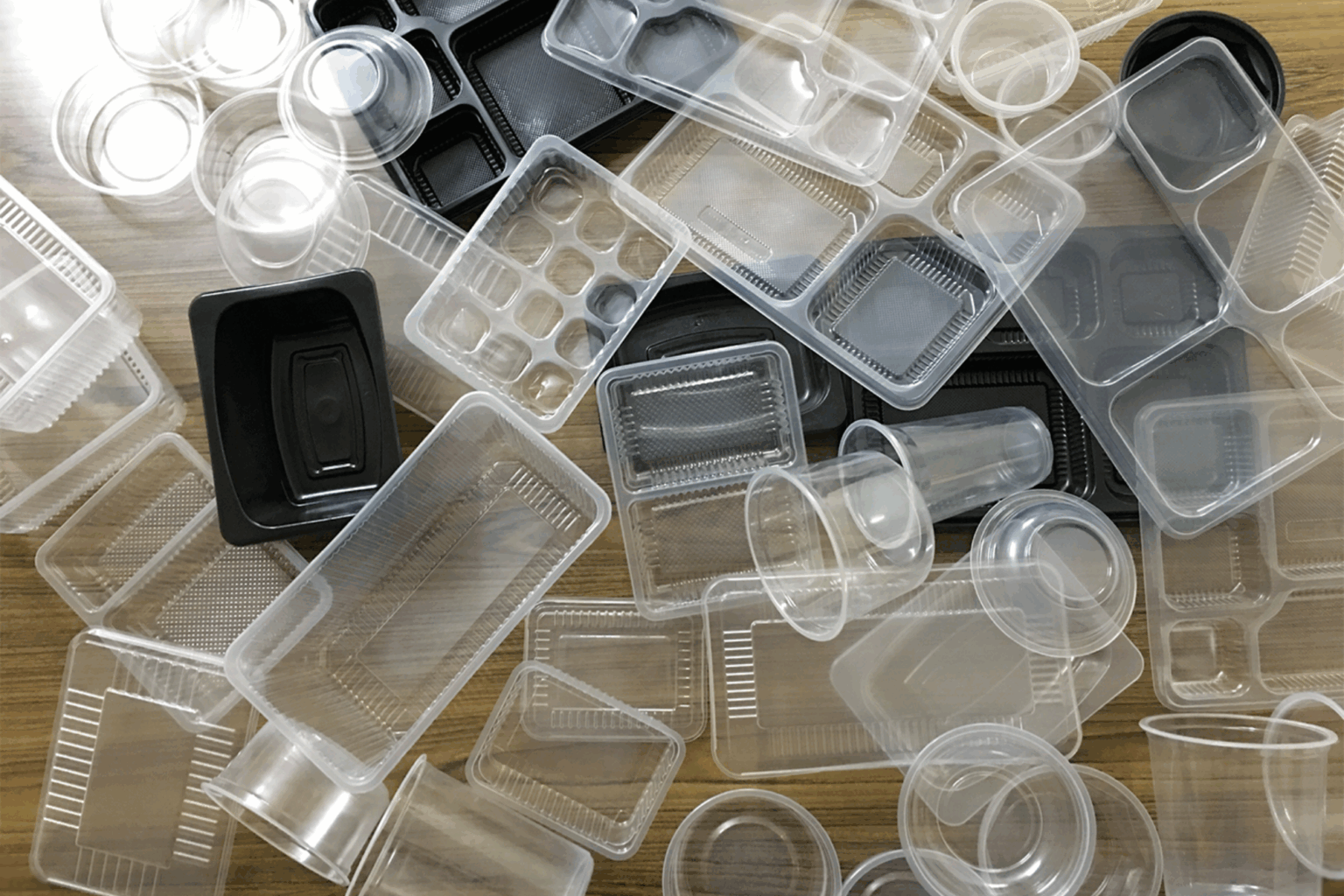
The global packaging sector is entering one of its most turbulent periods in over a decade, as polymer prices surge across regions in response to escalating geopolitical tensions, supply-chain instability, and volatile feedstock markets. The Middle East conflict – particularly the closure of the Strait of Hormuz – continues to send shockwaves across oil, gas and polymer supply chains, resulting in unprecedented cost pressures for packaging manufacturers worldwide.
Crude oil spikes of up to 39% in a single day have been recorded in Europe, driving up the cost base for polyethylene (PE), polypropylene (PP), PET and other plastics essential to the packaging industry.
Additional reporting from industry sources reveals that global suppliers are beginning to implement widespread price increases.
This crisis is exacerbated by acute tightening in naphtha availability – a core feedstock for plastics production. Analysts report naphtha increases of 55–74% within weeks, severely disrupting polymer cracker operations throughout Asia and Europe. These constraints have triggered force majeure declarations across major chemical producers, with material availability falling faster than at any time since the COVID‑19 shutdowns.
Regional disruptions are now interacting in complex ways. Turkey, Europe and China are all experiencing price escalations: Turkey’s PP and PE markets have risen up to 5% since the start of 2026 due to restricted import flows, and China’s import‑driven PE prices continue climbing despite weakening domestic demand. Meanwhile, the global rebound in polymer prices is reinforced by elevated upstream costs for ethylene, propylene and benzene, with rising energy inputs strengthening resin prices across Europe and North America.
Industry bodies warn that downstream converters – especially packaging companies – are feeling intense strain. In India, for example, polymer prices have risen 50–60%, prompting manufacturers to pass on costs to consumers and reduce order quantities, particularly in automotive, agriculture and packaging sectors. Further analysis shows that even modest restocking activity across Europe is contributing to sustained inflationary pressure on polymer benchmarks, as converters negotiate against higher monomer and energy settlements.
For packaging producers, these convergent pressures translate to higher material bills, constrained inventory planning, and an urgent need for supply diversification. Many brands are now turning to US‑based polymer suppliers to mitigate the fallout. At the same time, companies continue to face rising insurance, freight, and working‑capital costs, alongside broader inflationary pressures.
Looking ahead, analysts forecast price volatility to remain elevated throughout 2026. With supply uncertainty lingering, and demand surging as buyers race to secure material, polymer markets may face further increases approaching €1,000 per tonne in some categories if disruptions persist. The packaging sector – accounting for more than 40% of global plastic consumption – will remain at the centre of this crisis, particularly as sustainability initiatives, alternative materials and recycling technologies struggle to scale fast enough to offset supply shortages.
Share this article
Facebook
Twitter
LinkedIn

Lorem ipsum dolor sit amet, consectetur adipiscing elit Lorem ipsum dolor sit amet, consectetur adipiscing elit
Latest news from Packaging Innovations & Empack


Lorem ipsum dolor sit amet, consectetur adipiscing elit. Ut elit tellus, luctus nec ullamcorper mattis, pulvinar dapibus leo.