Lorem ipsum dolor sit amet, consectetur adipiscing elit Lorem ipsum dolor sit amet, consectetur adipiscing elit
Latest news from Packaging Innovations & Empack
How emerging automation trends will redefine packaging lines in 2026
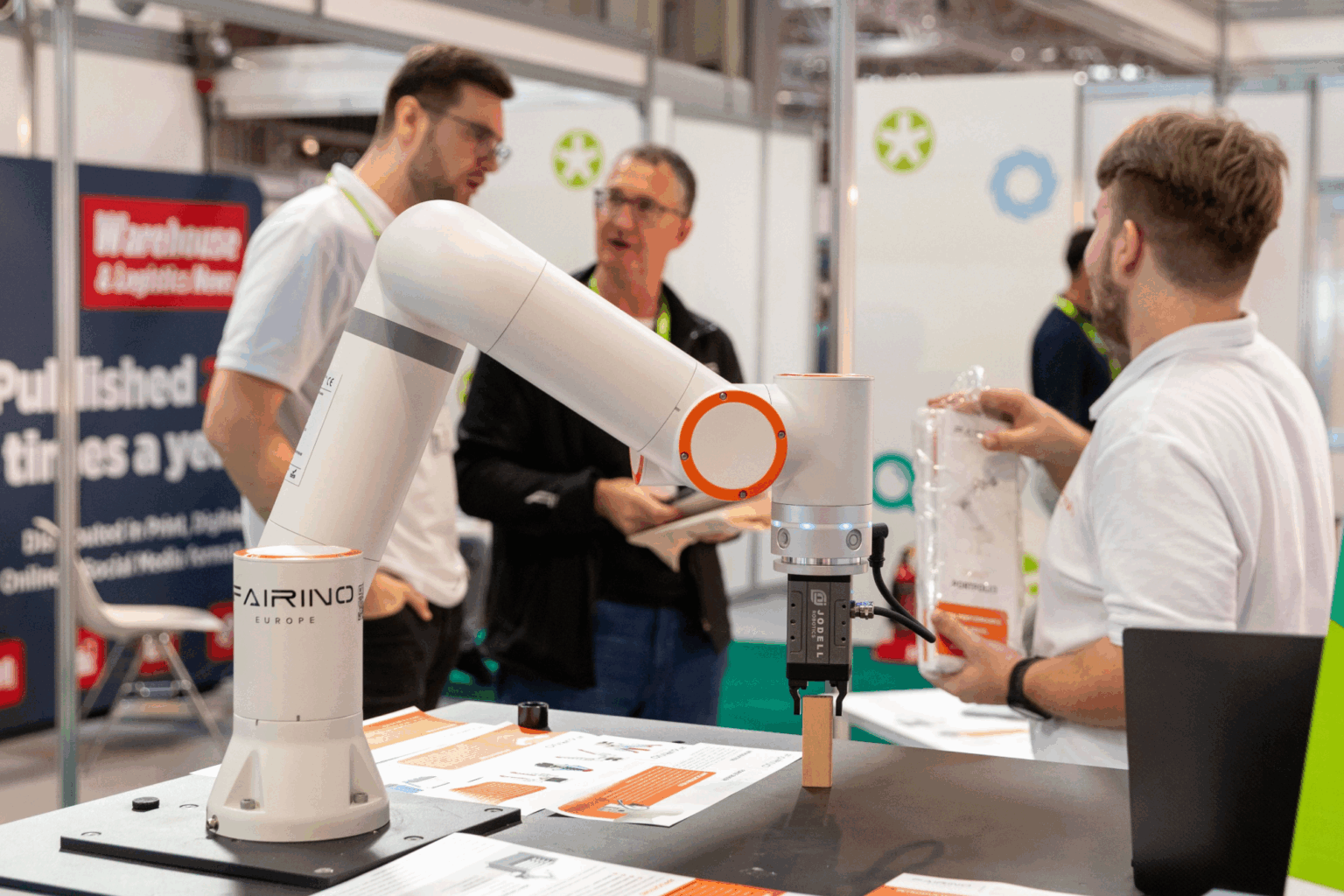
Machine vision sits at the heart of the packaging industry’s technological evolution, enabling manufacturers to achieve unprecedented levels of accuracy, speed, and operational efficiency. While the original wave of machine‑vision adoption focused on defect detection and basic code verification, the latest generation of systems integrates AI‑driven analytics, adaptive robotics and real‑time imaging that transforms data into actionable automation intelligence.
This shift aligns with broader packaging automation trends for 2026. According to Market and industry reports, global packaging machinery is forecast to grow at nearly 6% annually, reaching $71.1 billion by 2026 – driven by labour shortages, sustainability regulations and the need for flexible, modular production lines. Companies are no longer adopting automation to offset temporary operational challenges: they view advanced machine vision as a strategic requirement to maintain competitiveness, meet e‑commerce fulfilment speeds, and comply with stringent quality‑assurance demands

Three major forces are shaping the next era of machine vision in packaging:
1. Automation Becomes Non‑Negotiable
As workforce shortages deepen across manufacturing – with 65% of firms reporting ongoing struggles to recruit automation‑ready talent – packaging operations are accelerating investment in systems that combine cameras, robotics and smart analytics. Machine‑vision‑enabled robotics now execute pick‑and‑place tasks, seal verification and final‑stage palletization with greater consistency than manual labour, reducing rework and waste.
Vision‑guided weight checking, fill‑level analysis, and label‑accuracy monitoring are now essential to meeting retailer expectations for supply consistency. The shift to smaller batch production, driven by personalization and SKU expansion, further elevates the importance of systems capable of dynamic calibration and autonomous adjustment.
2. Flexible, Modular, and Right‑Sized Automation
Machine vision increasingly supports modular packaging automation – a trend gaining traction as brands diversify their product ranges. Modern lines combine form‑fill‑seal systems, robotic sorting units and smart conveyors under unified PLC or IoT‑enabled control frameworks. These configurations enable rapid retooling with minimal downtime, moving toward the “plug‑and‑produce” concept.
As automation becomes more adaptive, machine‑vision modules serve as the sensory backbone of flexible production. They validate material compatibility, analyze on‑the‑fly format changes, and synchronize multiple machines across a line.
3. Sustainability and Smart Packaging IntegrationMachine‑vision technologies are increasingly tied to sustainability initiatives. Automated inspection minimizes waste by reducing scrap and ensuring that recycled or bio‑based materials meet performance requirements. AI‑enhanced sensors also support emerging “connected packaging” formats that allow brands to track environmental exposure – such as temperature, humidity or package tampering – throughout the supply chain.
Beyond inspection, machine vision enables companies to adapt to new regulatory pressures by monitoring packaging thickness, material composition and recyclability indicators.
Share this article

Lorem ipsum dolor sit amet, consectetur adipiscing elit Lorem ipsum dolor sit amet, consectetur adipiscing elit
Latest news from Packaging Innovations & Empack


Lorem ipsum dolor sit amet, consectetur adipiscing elit. Ut elit tellus, luctus nec ullamcorper mattis, pulvinar dapibus leo.