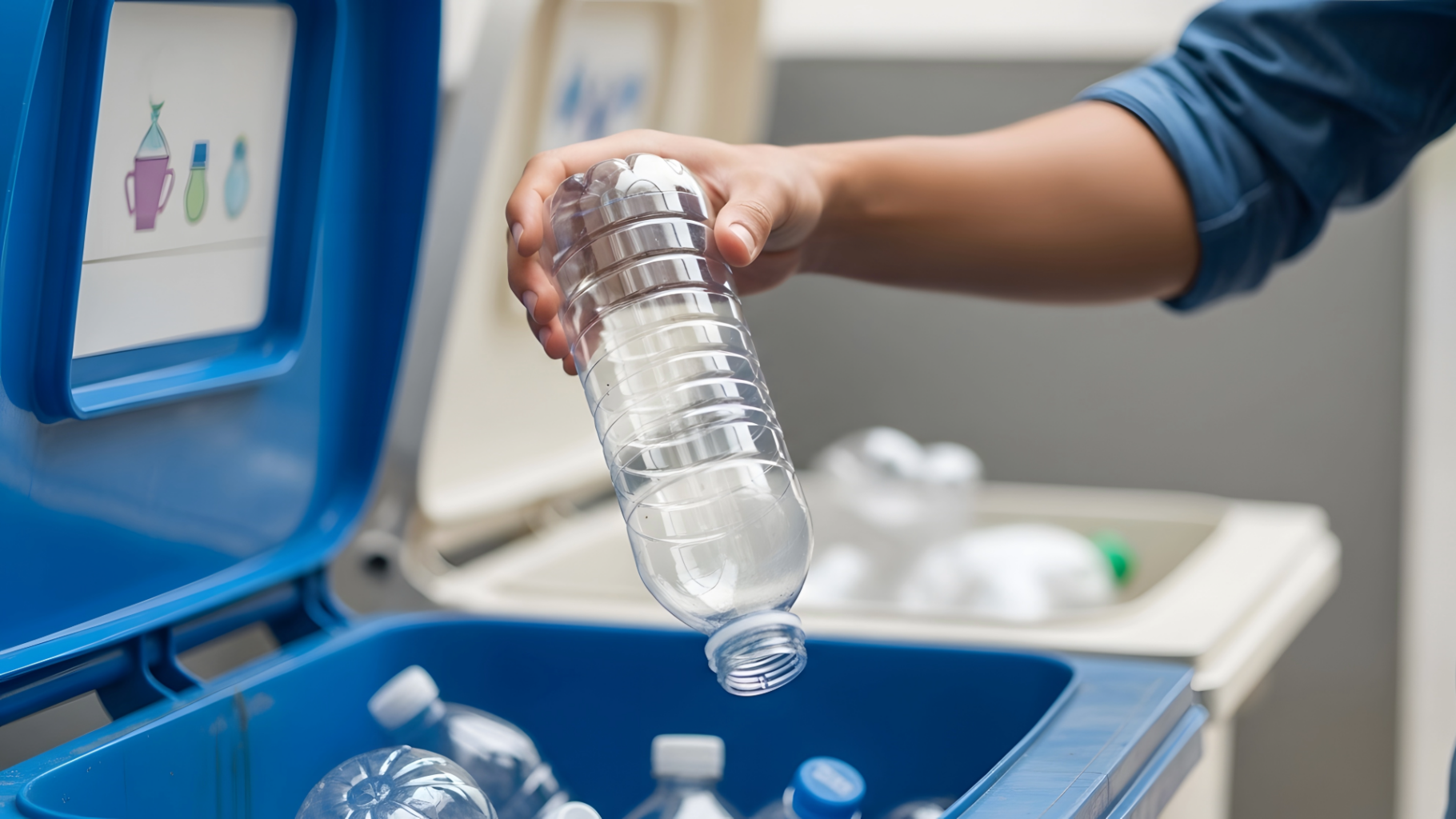
The UK’s Deposit Return Scheme (DRS) is moving ahead, with just one year remaining until its planned launch in October 2027. While key elements are now in place, several challenges must still be addressed to ensure the scheme delivers on its aims.
International experience suggests DRS could increase recycling rates to more than 90%, halve litter and keep valuable materials circulating within the UK economy.
A significant milestone has been reached following the Welsh Government’s appointment of Exchange for Change (EfC) as scheme administrator, establishing a single operator across all four UK nations. The British Soft Drinks Association (BSDA), alongside the wider drinks and retail sectors, has worked with governments to reach this point. Having one operator is expected to provide greater consistency across the scheme.
However, with the October 2027 deadline approaching, the priority must now be delivery.
Preparing businesses and consumers
Producers need clear information about how and when the transition to the new system will take place. They must be able to plan production, packaging, labelling, logistics and stock management with confidence, making timely decisions on these operational details essential.
Retailers and consumers also need to understand how the scheme will work. Consumers must know which containers are eligible, how much deposit they will pay, where they can return containers and how to reclaim their money. Smaller retailers, in particular, need clear guidance and sufficient time to prepare for participation.
EfC will have a central role in coordinating communications with producers, retailers and governments to ensure businesses and consumers are ready before launch.
Resolving the tax question
Funding remains another important issue. Industry is committing more than £1 billion to establish the scheme, with the soft drinks sector providing the largest contribution. However, DRS will also need a reliable source of ongoing income to operate effectively.
Unredeemed deposits the money consumers pay on containers they do not return provide an important source of funding. The Treasury intends to apply VAT to these deposits, despite acknowledging in the parliamentary record that the overall impact on government net receipts would be negligible.
Modelling commissioned by EfC from PwC estimates that this approach could remove more than £60 million from the scheme during its first three years.
Retaining this funding within DRS could instead support investment in additional recycling capacity and help the scheme achieve its intended environmental benefits.
The question of glass in Wales
The inclusion of glass packaging also presents a challenge. The Welsh Government needs to take a practical approach to introducing glass into the scheme, as extensive glass collection from the outset could create additional costs and operational difficulties, particularly for smaller businesses.
The proposed priority is to keep Wales aligned with the wider UK scheme for plastic and aluminium, while addressing the practical implications of glass inclusion.
A year to get ready
With the launch approaching, there is still time to resolve these outstanding issues and prepare businesses and consumers for the transition. Clear guidance, a workable funding approach and effective collaboration across the industry will be essential to ensuring the investment delivers the scheme’s full potential.
The October 2027 deadline is fast approaching, and success will depend on all parties working together to turn the plans into a functioning scheme.