
Artificial intelligence can generate a thousand packaging concepts before a designer has finished their morning coffee. But as creativity becomes faster, cheaper and more accessible, are we losing the ability to recognise what makes something genuinely good?
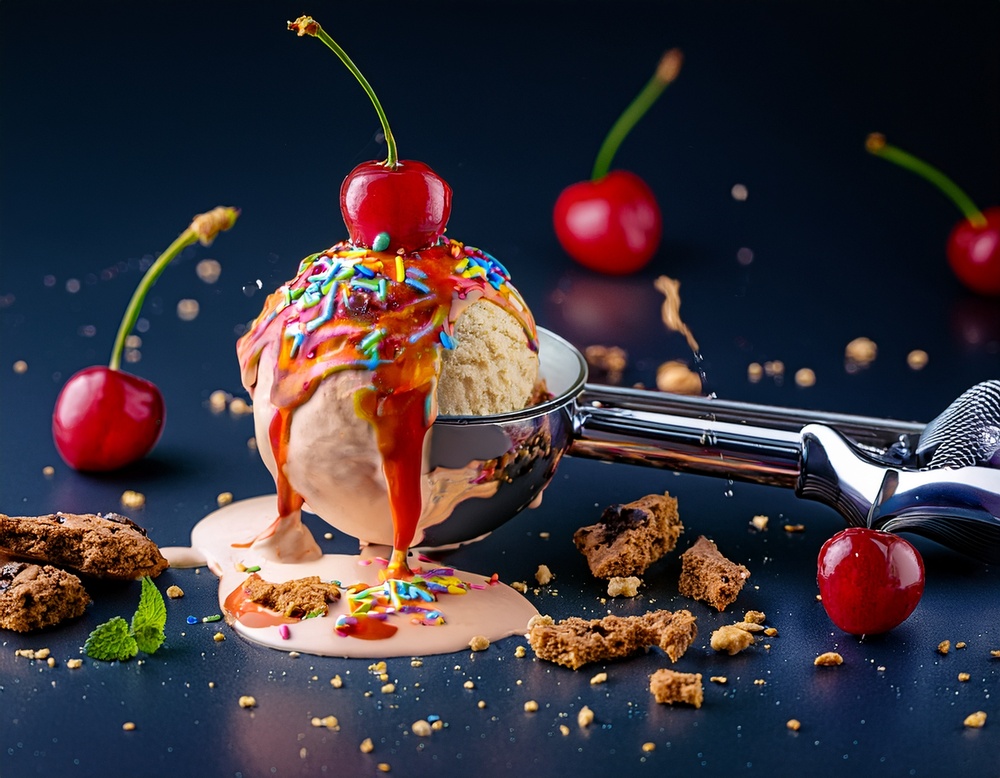
Imagine a person enjoying an ice cream. An attractive image, a familiar product, a perfectly ordinary piece of packaging.
Except the person has six fingers.
It’s the kind of AI-generated mistake that could make its way from the creative brief to the printing press if nobody stops to question what’s on the screen. By the time anyone notices, thousands of packs could already be sitting on supermarket shelves.
For Dr. Samuel West, founder and curator of the Museum of Failure, the problem with such mistakes isn’t necessarily the technology that creates them. It’s the people who allow them to reach the finished product.
“It’s kind of like when you fly in an aeroplane and you notice that the seats are not bolted on correctly and everything is dirty. Then you wonder, do they maintain the engines as well?”
He continues: “It’s kind of the same thing. You get something, and you couldn’t be bothered looking at your own image before you printed 10,000 copies of it.”
It’s an uncomfortable analogy for an industry in which packaging is expected to communicate quality, establish trust and differentiate products in increasingly crowded markets.
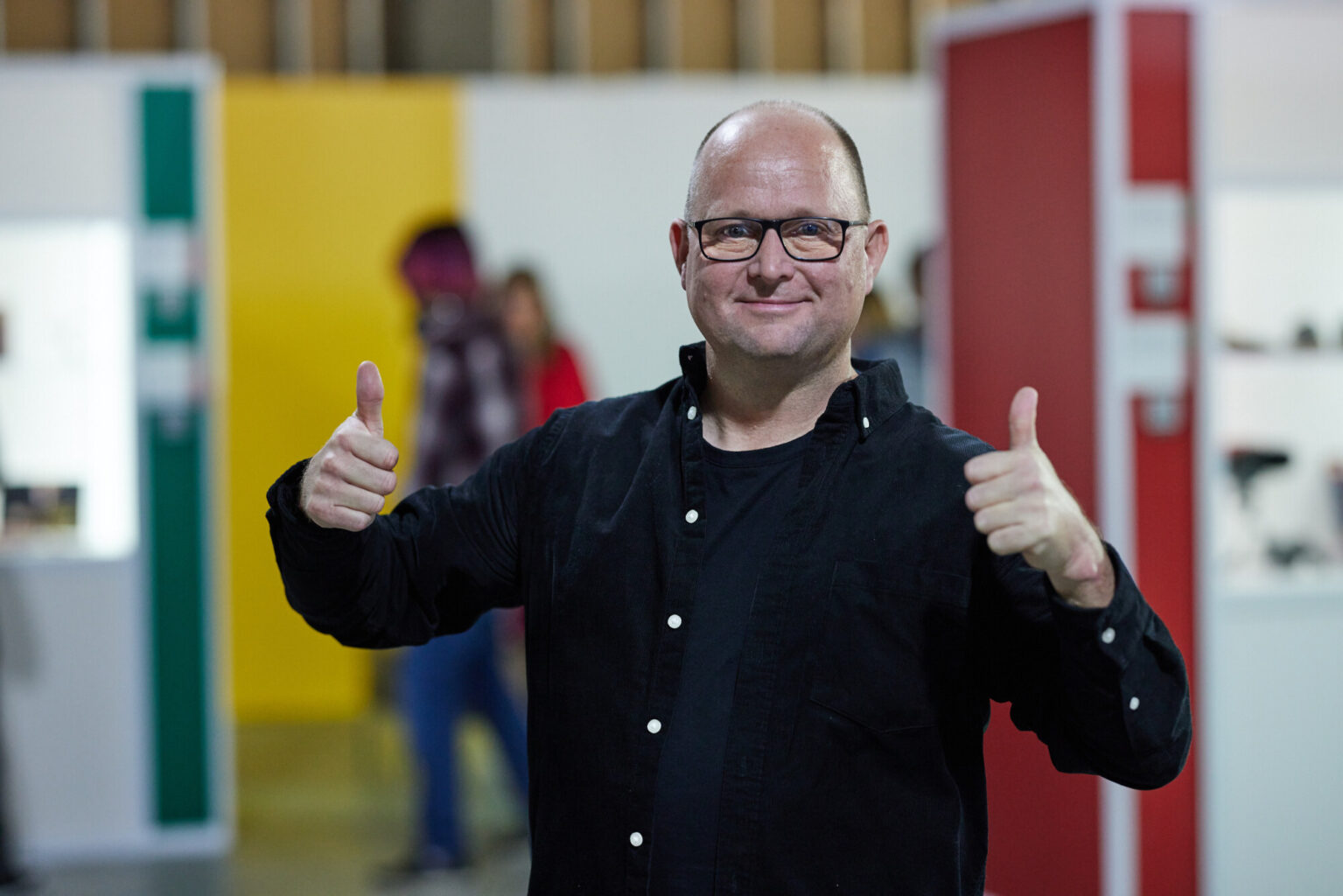
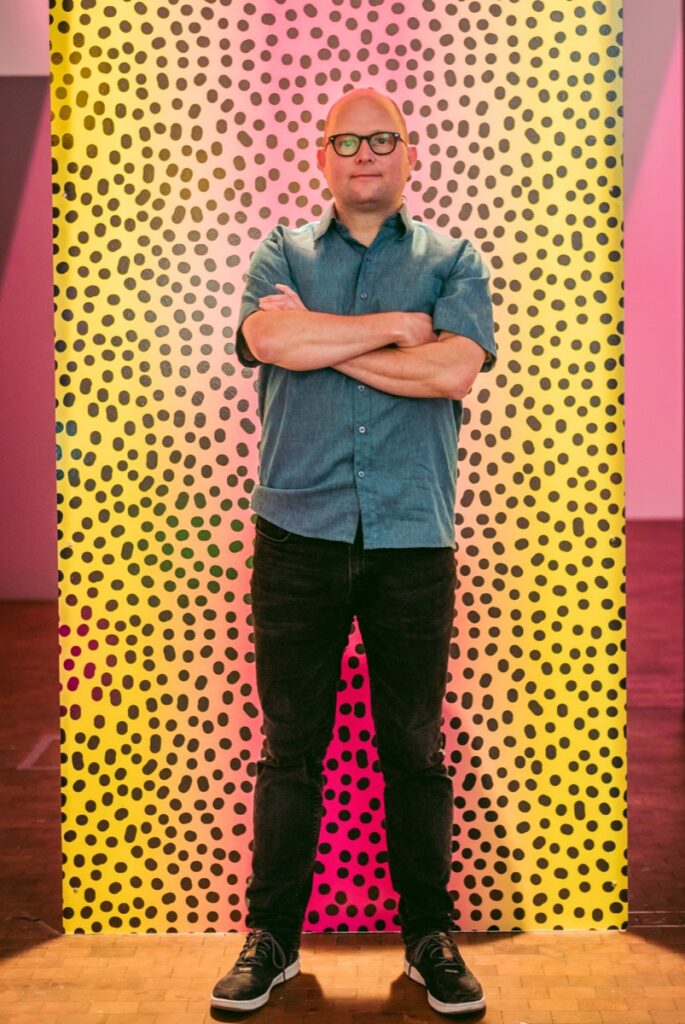
West, a clinical and organisational psychologist who has spent years exploring why innovation fails, will bring his provocative perspective to Packaging Innovations & Empack 2027, taking place at the NEC Birmingham on 24 & 25 February.
Ahead of his appearance, West argues that the sheer volume of competent-looking design generated by AI could make it increasingly difficult to recognise exceptional creative work.
The great creative levelling
West works alongside AI researchers and regularly uses the technology himself.
“It’s just so easy to create text. It’s so easy to create images today that the value of both has just crashed because everyone can do it at no expense. But doing it well is difficult. It’s still difficult.”
But if everyone has access to similar capabilities, what happens to the work that once distinguished one brand from another?
“Regardless of whether it’s creative output, intellectual output, any form, any kind of output from any of the LLMs, it’s always going to be like a monoculture.”
“The diversity is going to be reduced by its very form and its being.”
The issue, he argues, is that generative AI draws on what already exists. However impressive the results, the process risks reinforcing familiar visual conventions rather than challenging them.
“You’re looking backwards. It’s still impressive. I mean, it’s still amazing. But for creativity, it’s still a handicap to say it’s based on what has been done. It’s not your vision of what should be done.”
He remembers when visiting supermarkets abroad offered an encounter with distinctive national design cultures. Eastern European packaging looked different from French or Italian packaging. Even everyday products offered something unexpected.
“Now it’s all the same. Everything looks exactly the same. That kind of curiosity is gone.”
The danger isn’t necessarily ugly packaging. It’s packaging that’s attractive, competent and utterly forgettable.

When novelty becomes meaningless
For West, the consequences extend beyond design. When creating something new becomes effortless, even novelty begins to lose its appeal.
“Novelty is dead.”
“We’ve habituated to novelty. It doesn’t have the same power as it used to.”
A decade or more ago, launching a brand required considerable investment in design, marketing and production. That effort didn’t guarantee success, but it created a meaningful barrier between having an idea and presenting it to the world.
“You wouldn’t do it unless you believed in the product. Now you can do it in an afternoon and start advertising it.”
Meanwhile, genuinely original ideas must compete with an extraordinary volume of manufactured novelty.
What happens when everyone can look original, but fewer people have the time or attention to recognise originality when they encounter it?
What if some design never mattered?
West also raises an awkward question for the creative industries: how much do some design decisions actually matter to the consumer?
“If you’re selling ChapStick, like random store-brand ChapStick, then who cares?”
“It also sort of exposes the design industry as well. If it doesn’t matter today, then it never did matter what colour the packaging of the ChapStick is.”
West questions whether the industry sometimes confuses the effort involved in making a design decision with its importance to the consumer.
If an acceptable design can be generated in seconds, the question becomes whether the additional time, expertise and investment required to create something better produces a difference that genuinely matters.
AI puts greater pressure on designers to demonstrate the value of their expertise.
As West puts it: “But in other areas, it does matter, and maybe it’ll become more and more clear now where it matters.”
When convincing isn’t good enough
AI introduces a new complication: it can make poorly considered work appear extraordinarily convincing.
West is particularly concerned by the technology’s tendency to present information with unwarranted certainty.
“Because AI pretends to be confident.”
For packaging, the distinction between something that looks right and something that actually works is fundamental.
Even the most convincing packaging concept can conceal manufacturing limitations, unsubstantiated environmental claims or problems with how the pack functions.
Yet AI’s promise of greater productivity is compelling, particularly in industries balancing creative ambition with demanding commercial schedules. West questions whether producing more work necessarily means achieving more.
“The human is the bottleneck.”
“And people who are more productive with AI, absolutely. But that doesn’t mean that you’re doing smarter things or more prioritised things. It just means you’re doing more stuff.”
Generating 100 concepts instead of ten may sound like progress. But if the additional options create more uncertainty, more revisions or more opportunities for unsuitable ideas to slip through, the apparent productivity gain becomes questionable.
The ability to generate possibilities has never been the same as the ability to make good decisions.
“Sure, AI can create it, but at some point, if it’s valuable or it’s critical, then there has to be a human who’s responsible for it.”
“Because an AI machine can’t be held responsible.”
West is emphatically not arguing that packaging companies should abandon AI.
“So if a packaging company is using AI, great, go for it. Definitely.”
In a world where almost anyone can generate professional-looking creative material, human judgement may become more valuable than ever.
Will consumers start looking beyond the design?
As AI-generated material becomes increasingly commonplace, consumers may begin taking a greater interest in who is behind the designs they encounter.
“Where did this come from? Are they reliable? That sort of becomes more important, and it’s already happening.”
West has already encountered signs of resistance among younger people, including members of his own team.
He recalls sharing a concept he had developed using Claude, reviewed and considered perfectly good.
Their response was immediate.
“It reeks of AI. Can’t you even do anything yourself?”
“And I mean, that hurts, but they are more sensitive to it than I am.”
If consumers become more discerning about the origins of creative work, the human expertise behind packaging design could become a selling point in its own right.
The next exhibit in the Museum of Failure
Asked whether AI-generated packaging could create a new generation of beautifully presented failures for his museum, his response is unequivocal.
“Well, I can say for sure, if anyone is using unvetted AI to design, they are definitely going to appear in my museum.”
“What I think is more interesting is these fundamental, somewhat philosophical or life-approach questions. What is it doing to us? Are there failures embedded in that?”
It’s a challenge West will bring to Packaging Innovations & Empack 2027.
His concern is that the abundance of seemingly competent creative work could gradually erode our ability to recognise good design.
The technology can create the image, write the copy and generate another hundred concepts before lunch.
But someone still has to notice the sixth finger.
And, more importantly, someone has to care.