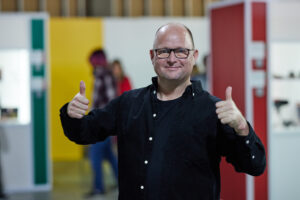

At a time when so many businesses are struggling to invest and grow, co-packing expert Culina IPS has no such problems. CEO Andrew Dawson explains how the company has transformed from a small single-site operation to a co-packing heavyweight, and shares lessons others can learn from.
At Packaging Innovations & Empack 2027, the popular Pitch the Co-Packers competition returns. The competition sees new businesses pitch their innovative products to a Dragons’ Den-style panel of co-packing experts. The clamour for the opportunity is an illustration of the importance of value-adding services in the current market, where resilience in logistics is tested to the breaking point by supply chain disruption.
Another example is the remarkable growth of Culina IPS. A far cry from the small single-site operation it started over 30 years ago, today it has 30 sites and a nationwide footprint as part of Culina Group. It’s a triumph of British business, but the behind-the-scenes nature of co-packing means you rarely get to hear about it. Until today.
Andrew Dawson, CEO of Culina IPS, has led the business throughout this journey, and he shared his thoughts on what his company’s success proves about the hidden value of co-packing and what it takes to thrive in an industry that is often invisible by design.
Scaling for success
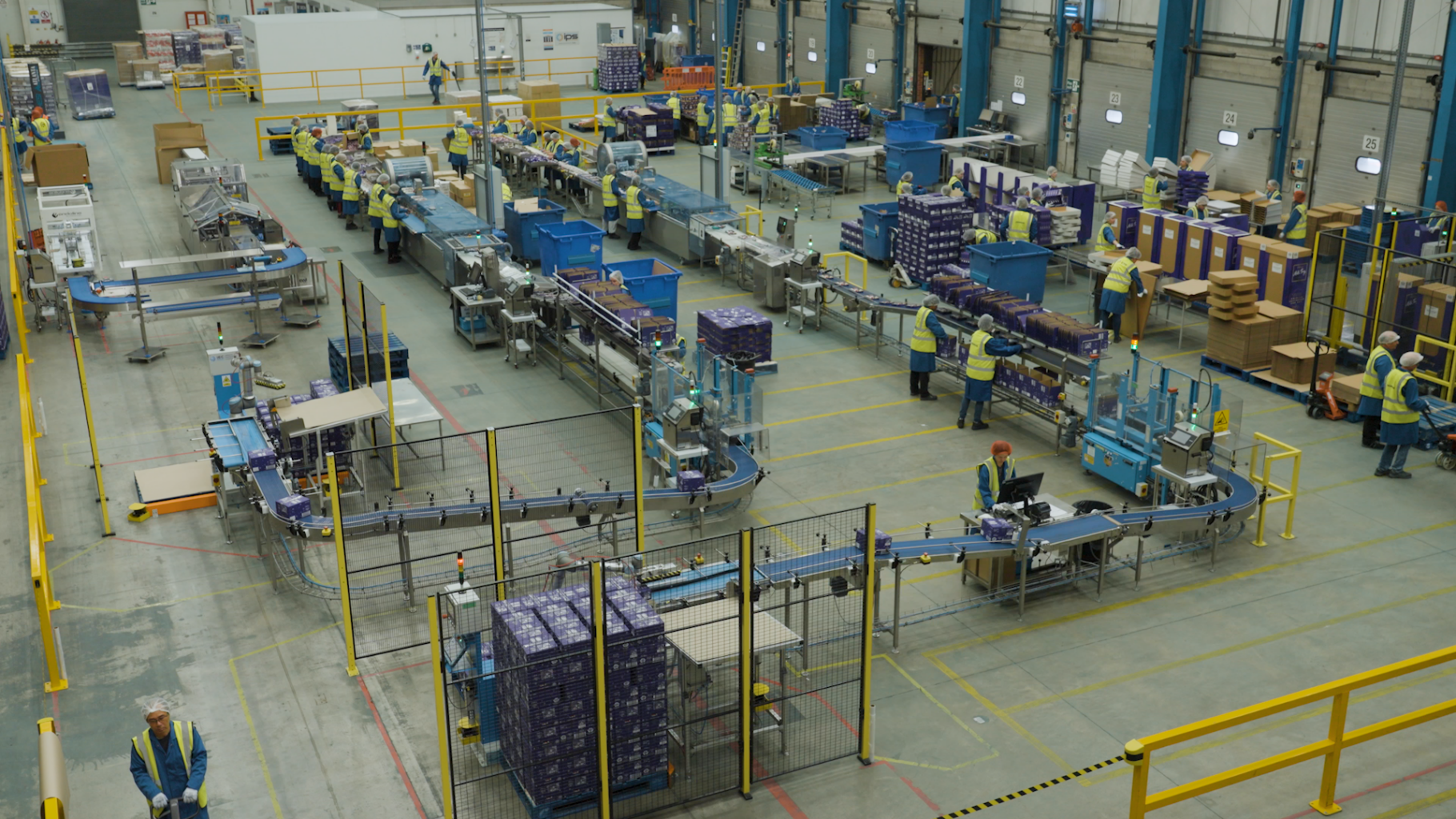
Growing a business has rarely been more challenging. Scaling up production, supply chains, logistics, and distribution are difficult enough, but now they all have to be achieved when costs are rising, and the appetite for investment is limited. But while acknowledging these challenges, Andrew also sees the opportunities.
“I think the industry has as strong an opportunity as ever. However, the cost constraints are huge,” he says. “In the co-pack market, I try to see this as an opportunity for us to invest in capital to take away some of the issues that manufacturers may have in introducing new products to market. So, whilst it’s a big challenge for the co-pack industry, I actually think it’s an even bigger challenge for the manufacturing base, largely because they don’t want to invest in capital. What we can do is make our own investments, but actually do that on a shared-user basis. This takes away some of the pain for the manufacturer, but they’re still able to bring new pack types to market.
Part of that growth comes from a tried-and-true approach; explore new markets and invest in future capacity, then consolidate and build efficiency. Andrew adds, “We want to venture into new markets such as liquids or nutraceuticals, and we are starting to get some success in the nutraceutical space. We’re also continuously looking to acquire new facilities to significantly step change our growth.
“2026 has been a year of consolidation and filling the capacity available. We have been building our efficiencies and investing in our systems such that we are well placed to grow again.”
Growth through helping others
Andrew argues that this consolidation is one of the most important steps in building a business. It allows time for our people and equipment to settle such that our expertise becomes a strong foundation for building the next steps when the time comes to expand again.
This has turned the company into a self-motivating growth engine. Andrew adds, “We don’t necessarily look at our competitors; we look at ourselves as our own competition to drive improvement, because that is the best way to grow. The drive certainly comes from within Culina IPS.
“I think we’re in a unique position because we can provide scale. There are lots of smaller co-packers and co-manufacturers in our environment. But actually, there are huge logistics operators in our market too. And what we do is sit right in the middle. We can offer a logistics network, whilst delivering the expertise and the capability of those smaller owner-managed businesses.”
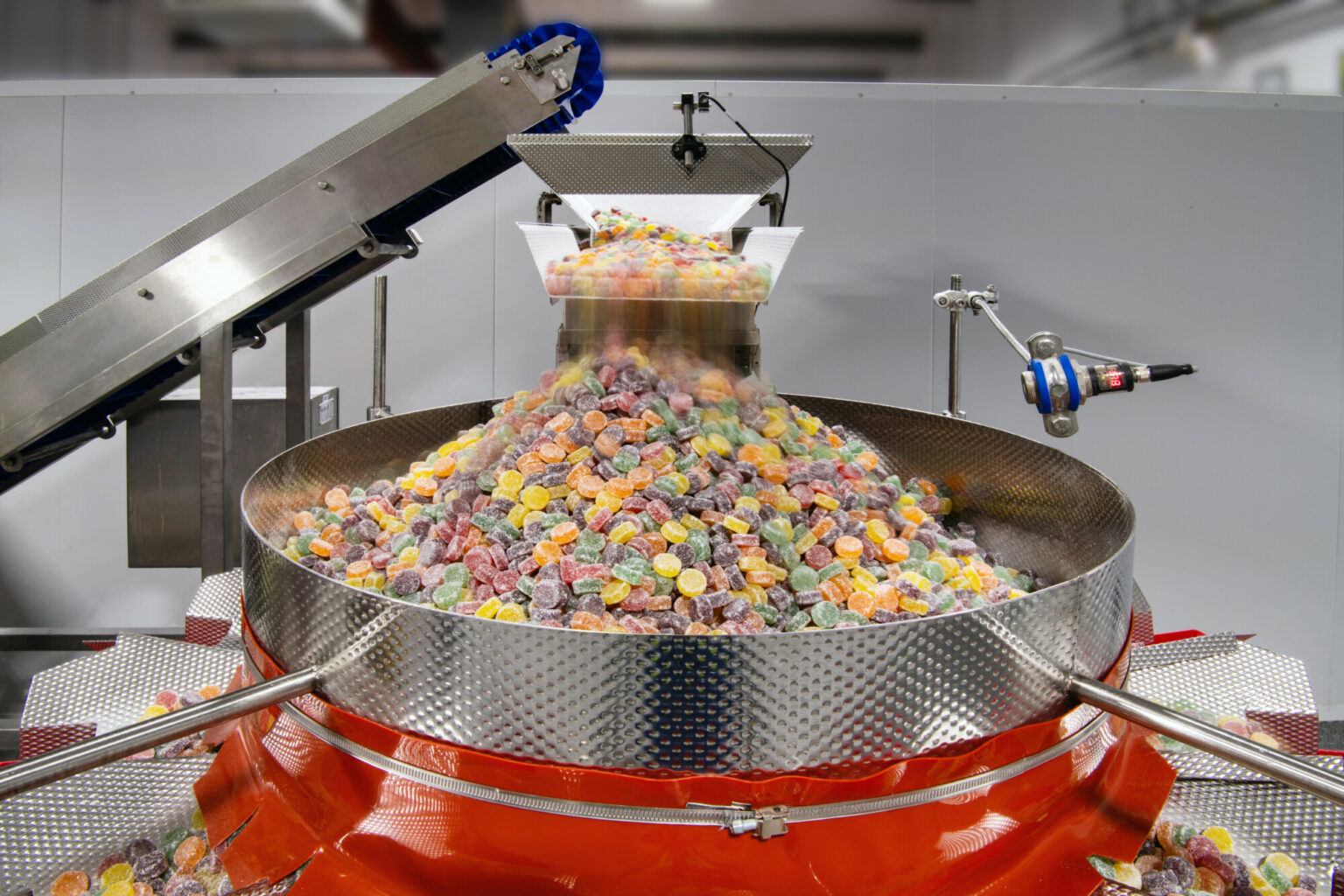
This is combined with an entrepreneurial approach to growth that considers not only Culina IPS, but its customers. “We’re highly invested in our customers’ growth,” Andrew adds. “At the end of the day, if they grow, we grow. If we invest physically in a piece of equipment, then we’ll do so either within their own organisation, within their own supply chain, or within ours. But of course, we’re invested in their journey, and that means we’re invested in our systems and our systems’ capability to manage their supply chain, operational plan, and capacity for them.
“And because we are well funded, and we’re not leveraged at all, we can take an entrepreneurial view that many of our customers cannot take with their own capital processes.”
It creates a deeper, more collaborative relationship between Culina IPS and its customers – one built on mutual success.
Spotting potential before others do
The team at Culina IPS has a term for some of their customers – incubator brands. The meaning behind that term gets to the heart of Andrew’s philosophy. “We do work with some really big brands, but we also try to help businesses still looking to bring their capability and ideas to market,” Andrew explains. “What we’re trying to do as a business is bring along these incubator brands. And it might be that we start something off in a very small way, in small batches.
“We know that, alongside their growth plans, we’re going to flip into a bigger piece of equipment or a different site, or they’re going to take it away and pop it in their own operation. And we’re not frightened of that either, because we’ll know that we’ve got enough of a funnel and a pipeline to fulfil our own challenges in the business as well.”
The business is built around this process, which means challenges like balancing MOQs between very large and very small customers are easier to overcome. And this isn’t the only way that the long-term mindset helps improve resilience.
“The businesses that we’ve been able to help have, of course, repaid us over a long period of time by staying with us because we continuously invest,” he adds. “And then effectively what we’re doing is soft locking them in. At the same time, experience tells us that there are a number that are not going to succeed as well. We have to choose carefully. Have I let go of opportunities that have since become bigger? Yes, I have. I’d be lying if I said I hadn’t. But there are a couple of opportunities we’re working on at the moment that look really small, but I think they could be really big. And so we’re highly invested in trying to make them a success.”
Recognising the next generation
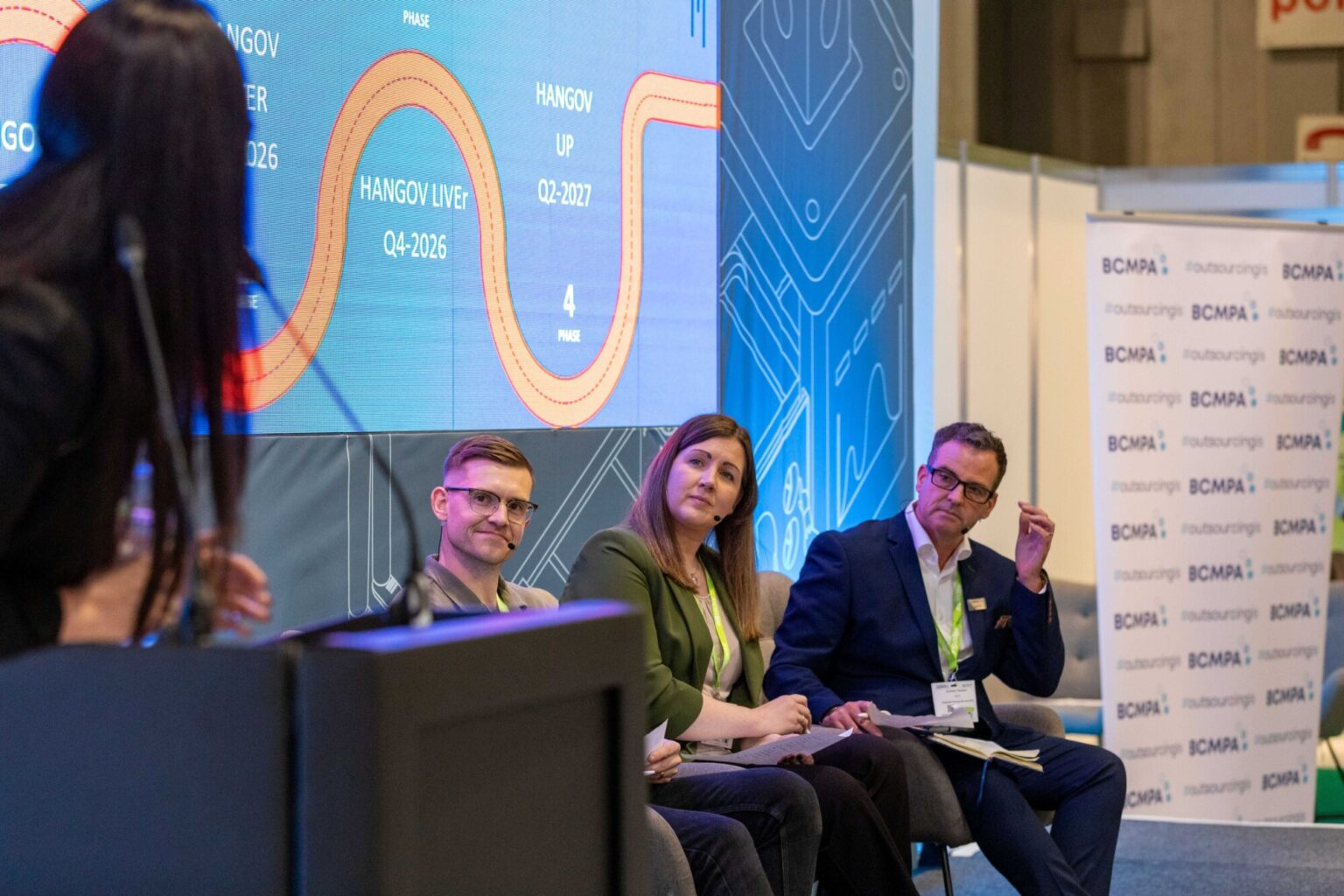
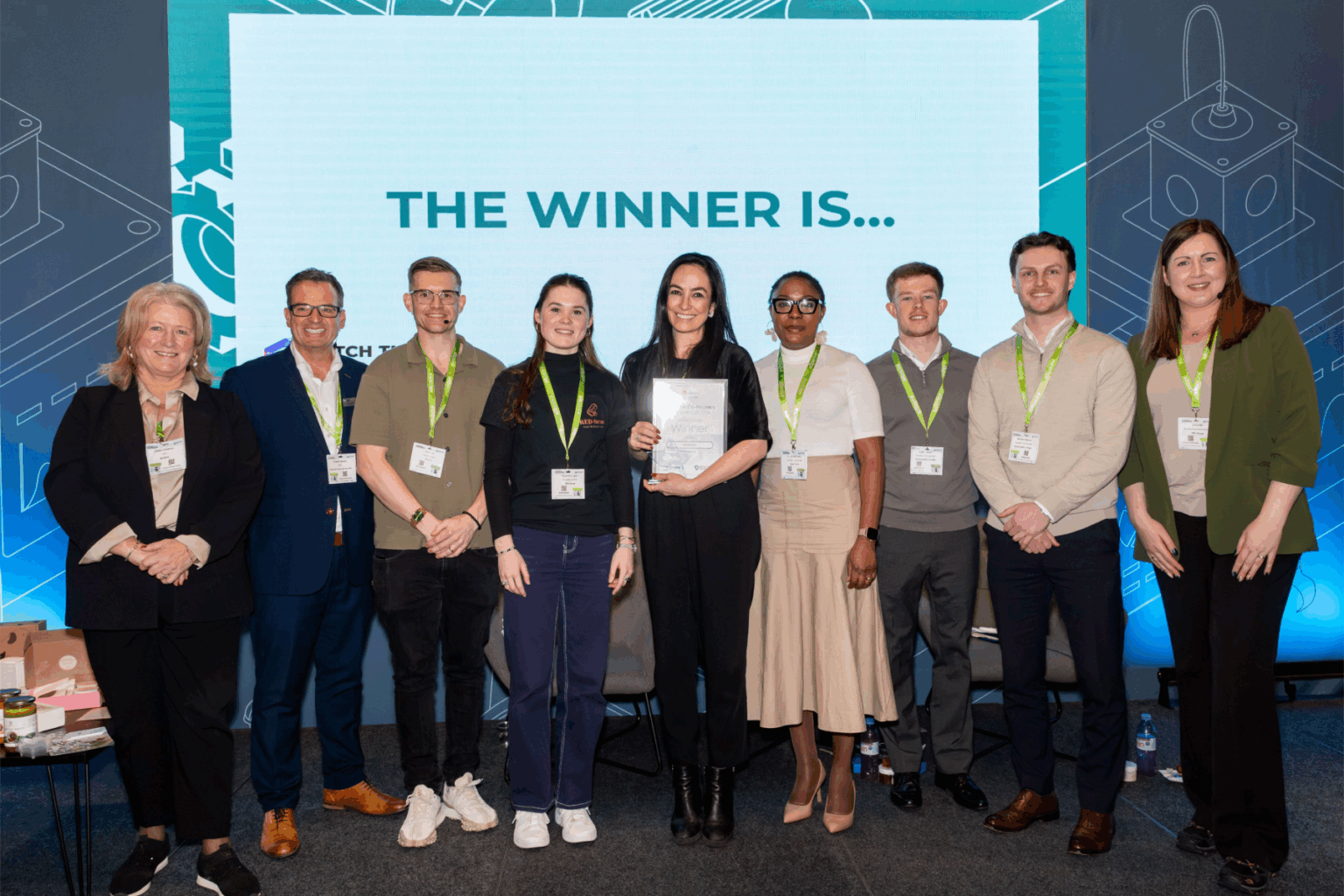
This uniquely holistic approach to doing business means there is no one better qualified than Andrew to sit on the judging panel for 2027’s Pitch the Co-Packers competition. He’s a man with decades of experience in using his position at a co-packing business to nurture start-ups and innovators.
So, what’s his advice to this year’s competitors? “It’s so easy to go and do a me-too product out there,” he says. “The story and the individual are so important. Some of the financials were lacking last year. I’m not saying it’s Dragons’ Den, I truly don’t think it is, but we were trying to make decisions without some pretty important information.
“And so therefore, you become totally reliant on the individual and the story that comes with it. There has to be great innovation. Great product, great story. The rest, you can work with, can’t you? And that’s really what led me to vote for the winner last year. Last year it was an innovative product and a driven individual with a great story.”
The benefits of entering the competition extend well beyond the winners. “Some contestants last year were perhaps at too early a stage for us to support them operationally, but there were still plenty of ways we could help,” says Andrew. “Whether it was advice on allergens, support with product development or simply inviting them to visit our operations and see how other businesses the food sector work, we’ve been able to offer practical guidance and support. We’ve continued to work with a number of contestants we first met through the competition.”
This illustrates the wider value of competitions like Pitch the Co-Packers. They are not just about crowning winners and handing out prizes. They’re about connecting entrepreneurs with experienced industry professionals who can give them a platform.
For Andrew, this is part of why he wants to get involved. “I don’t think it’s a charitable donation. I truly don’t,” he says. “I take this from a personal perspective. So me, Andrew Dawson, personally, a part owner of a really small business 25 years ago. There’s a huge amount of experience that I’m happy to share.”
Andrew’s experience offers a useful lesson for the wider industry. Helping a small brand overcome its first production challenges can lay the foundations for years of shared growth. For co-packers prepared to recognise potential and invest in it, some of the most valuable relationships may begin with the smallest orders.
To explore those opportunities, register for a free ticket to Packaging Innovations & Empack 2027 at the NEC Birmingham on 24 & 25 February 2027, where Pitch the Co-Packers returns to connect emerging brands with the expertise to help them grow.