
Lorem ipsum dolor sit amet, consectetur adipiscing elit Lorem ipsum dolor sit amet, consectetur adipiscing elit
Latest news from Packaging Innovations & Empack
What makes a Trailblazer? The judges’ thoughts
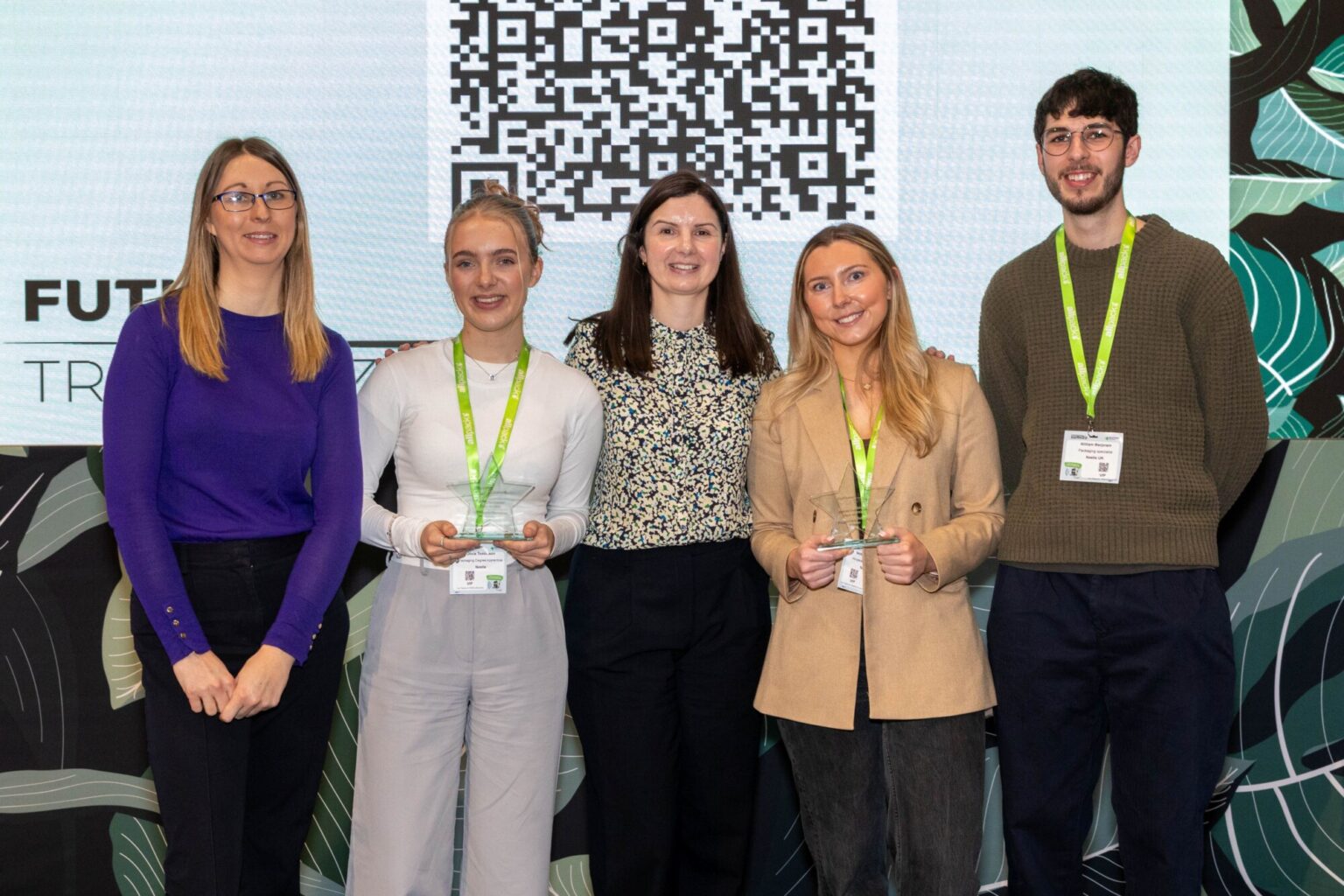
What separates someone who excels at their job from a genuine Trailblazer? Four judges of the Future Trailblazer Awards explore why fresh thinking, curiosity and the ability to inspire change can matter more than experience or groundbreaking invention.
There is a temptation, when we talk about trailblazers, to picture the inventor. The person who tears up the rulebook, creates something nobody has seen before and leaves everyone else wondering why they did not think of it first.
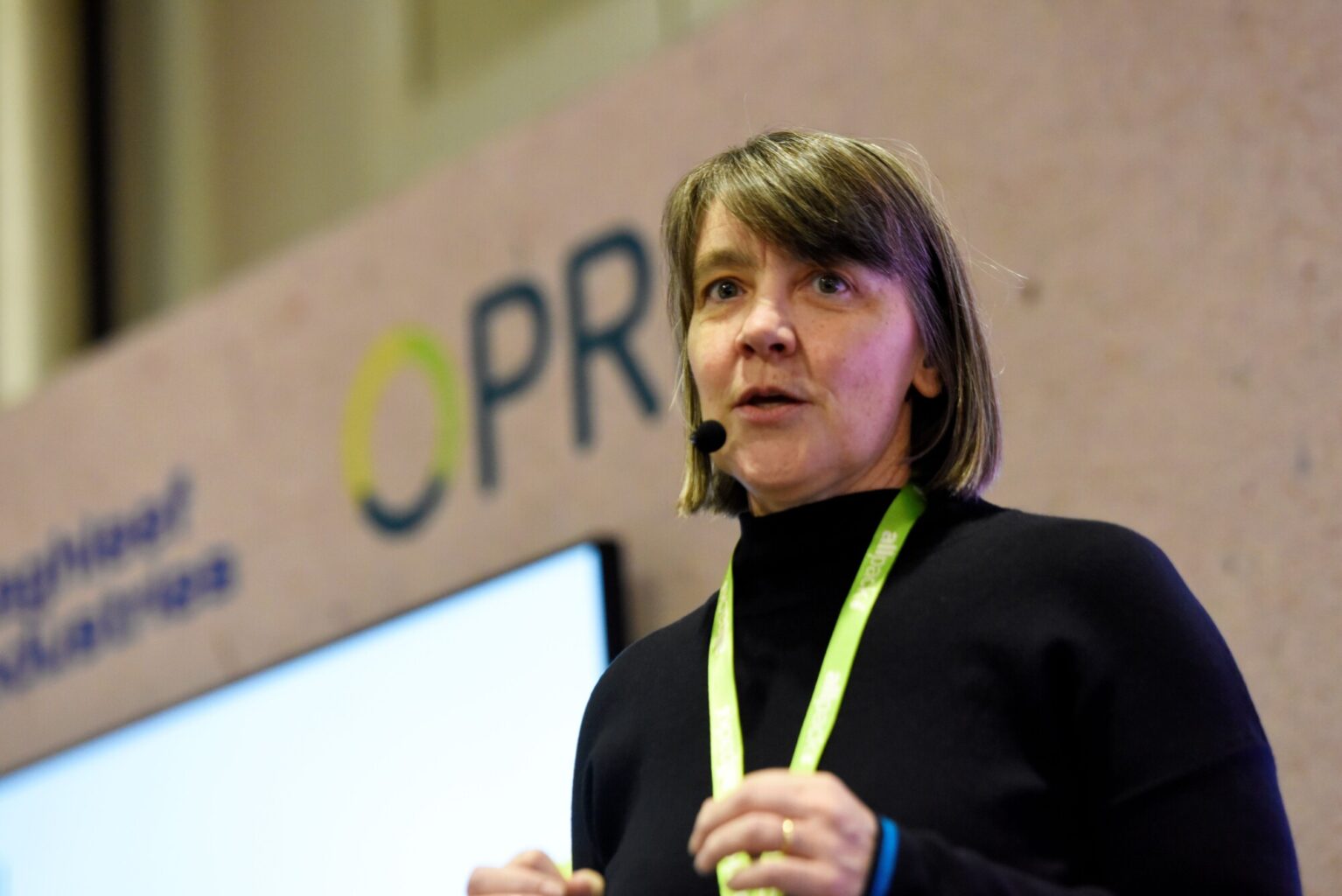
Jude Allan has a rather broader definition.
As Managing Director of OPRL, the On-Pack Recycling Label, Allan works in an area where packaging, recycling and consumer communication meet. Yet when asked what makes emerging talent stand out, her answer has less to do with a particular technical discipline than with how somebody approaches the work.
“Interest, enthusiasm, drive, storytelling!”
That final quality is worth dwelling on. Allan recalls being particularly impressed by emerging professionals who arrived in packaging with a fresh perspective, got on with doing their jobs exceptionally well and then began talking about what they had learned because they wanted others to benefit from it.
Nor, Allan argues, does a Trailblazer necessarily have to invent something.
“A future trailblazer can be someone who comes into an existing process but also looks at it afresh and transforms it in a way that keeps the purpose but transforms the activities to make it more efficient and effective.”
That distinction matters. Packaging is an industry full of established processes, mature technologies and accumulated expertise, but that does not mean the best way of doing something has already been found. Indeed, Allan says Future Trailblazer entries repeatedly demonstrate what can happen when somebody gets to grips with an existing role and then has the curiosity and drive to ask whether part of it could work better.
Sometimes the breakthrough is seeing something everybody else has become accustomed to.
Potential before polish
That becomes particularly important when judging people near the beginning of their careers. Comparing an emerging professional with somebody who has spent 20 years accumulating expertise would miss the point. The more interesting question is what their early achievements reveal about what they might do next.
“At the beginning of someone’s career we are not looking for them to have all of the skills that they will need,” Allan says. “We are looking for someone who is curious and articulate and who wants to understand and be involved in making things happen.”
Jo Stephenson, Managing Director of Think B2B Marketing, draws a similar distinction between somebody performing exceptionally well and somebody demonstrating the potential to influence what happens next.
“Genuine trailblazers have more than excellent performance – they seek out challenges to solve, have a natural curiosity and are absolutely focused on learning.”
For Stephenson, that potential becomes visible in the way people behave. They take initiative, challenge assumptions constructively and bring energy to projects that might otherwise continue unchanged. What distinguishes them is not simply an impressive result but the attitude that produced it.
“It’s not maverick behaviour but a genuine need to improve things around them.”
Fiona Dobson, Lead Packaging and Print Manager at Asda Brand, believes the distinction also lies in the reach of someone’s contribution. Excellence within an established role is one thing, but a Trailblazer creates improvements that influence how other people work.
“Trailblazers spot opportunities, influence change beyond their immediate role, and leave a lasting impact on their team, function, or business.”
That ability to influence others also depends on how effectively someone communicates. For Stephenson, it is one of the most consistently overlooked qualities in emerging packaging talent.
“Someone can have tremendous academic, creative, scientific or engineering skills for example, but if they can’t communicate well – bring the people around them with them on the journey of improvement or change – then projects fail and they fail.”
Learning to deal with ambiguity
As the challenges facing packaging become more complex, the qualities these judges describe are likely to matter more than ever. For Peter Macqueen, who works in packaging education and apprenticeships at Sheffield Hallam University, one capability in particular deserves greater attention: dealing with ambiguity.
“We are working in an era of shifting sands, moving goalposts and every other cliché for change that you can imagine.”
For the next generation, knowing the answer may therefore matter less than knowing what to do when there is no obvious answer.
“Being able to scan the horizon, and make choices informed by data and factual, measurable evidence is going to be more crucial than ever.”
For Dobson, navigating what she describes as a “once-in-a-generation transformation” will demand more than adaptability. The next generation will need a broader understanding of sustainability, materials science and regulatory compliance.
“The most successful professionals will be curious, adaptable and they won’t just respond to change, they will lead it!”
Macqueen’s emphasis on navigating uncertainty finds an interesting counterpart in Stephenson’s view of commercial judgement. She believes one of the most important capabilities for the next generation will be getting “above the noise” and identifying the opportunities that genuinely matter to a business, rather than reacting instinctively to every new trend or challenge.
The Trailblazer you already employ
Talent spotting is often associated with graduates, apprentices and new recruits. Macqueen thinks that definition is too narrow.
Through Sheffield Hallam’s packaging apprenticeship, he has spent the past seven years helping people already established in their careers move into packaging roles, and believes organisations routinely underestimate the talent sitting elsewhere within their own businesses.
“We often think of talent spotting in the context of recruiting new graduates or fresh prospects – but many organisations have the right person already there – just maybe not in the role that can make the biggest impact.”
Macqueen has seen people make that transition mid-career and go on to make a meaningful impact in packaging. Some, he points out, have subsequently become Future Trailblazer Award winners.
Emerging talent does not necessarily mean young talent.
Sometimes the next person capable of changing packaging has already spent years becoming exceptionally good at something else.

Making a difference before you realise it
There is another obstacle to finding Trailblazers: some of the best candidates may not recognise themselves as one.
Asked what exceptional people routinely underestimate about their own work, Allan’s answer is immediate: “The difference that they are making!”
Allan knows something about the difference that confidence from somebody else can make. Looking back at someone who helped accelerate her own career, what she remembers is not simply the advice they gave her but what they recognised.
“That I knew more than I realised, that I didn’t need to start with ‘I think’ when I’m saying something that I knew! They showed me that they had confidence in me, which enabled me to have more confidence in myself.”
For Allan, that recognition also serves a wider purpose. Asked what she would change about the way packaging identifies, develops and celebrates emerging talent, she comes back to storytelling.
“Tell their stories to make them feel seen and valued and to attract others to an industry that cares about its people.”
For Dobson, however, the challenge begins even earlier, with people who have yet to consider packaging as a career at all.
“I believe that the majority of individuals still ‘fall’ into a career in packaging, or rather, they aren’t aware of it as a career choice.”
She wants the industry to take greater collective responsibility for communicating the diversity of opportunities available, making packaging a career people actively choose rather than one they discover by accident.
That makes recognising emerging talent about more than celebrating individual achievement.
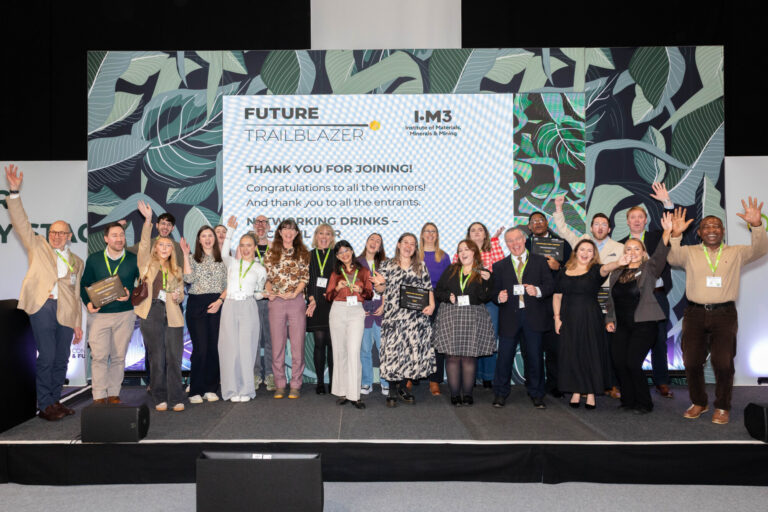
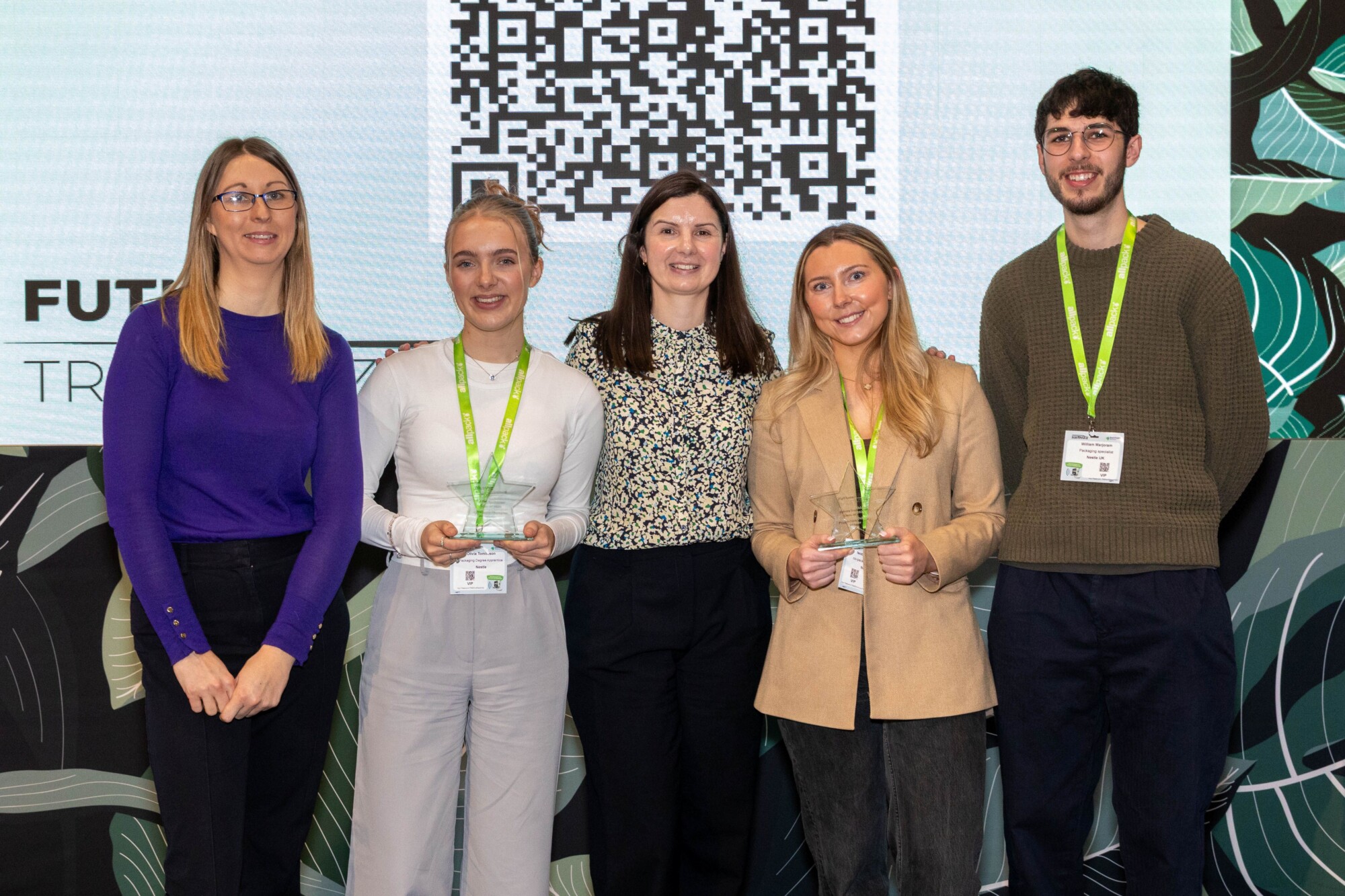
The Future Trailblazer Awards, part of Packaging Innovations & Empack, can recognise what somebody has already achieved, but the more interesting story is what that recognition might unlock next: greater confidence, a larger opportunity, another person seeing a career they had never previously considered, or an organisation realising that the talent it needs may already be sitting somewhere unexpected within the business.
What matters is the difference they make.
And sometimes the hardest part is making sure we notice it.
Share this article

Lorem ipsum dolor sit amet, consectetur adipiscing elit Lorem ipsum dolor sit amet, consectetur adipiscing elit
Latest news from Packaging Innovations & Empack
Lorem ipsum dolor sit amet, consectetur adipiscing elit. Ut elit tellus, luctus nec ullamcorper mattis, pulvinar dapibus leo.