
The AI idea turning empty truck space into a food-saving solution

AI is helping UK retailers use spare truck capacity to redistribute surplus food, cutting costs, road miles and emissions.

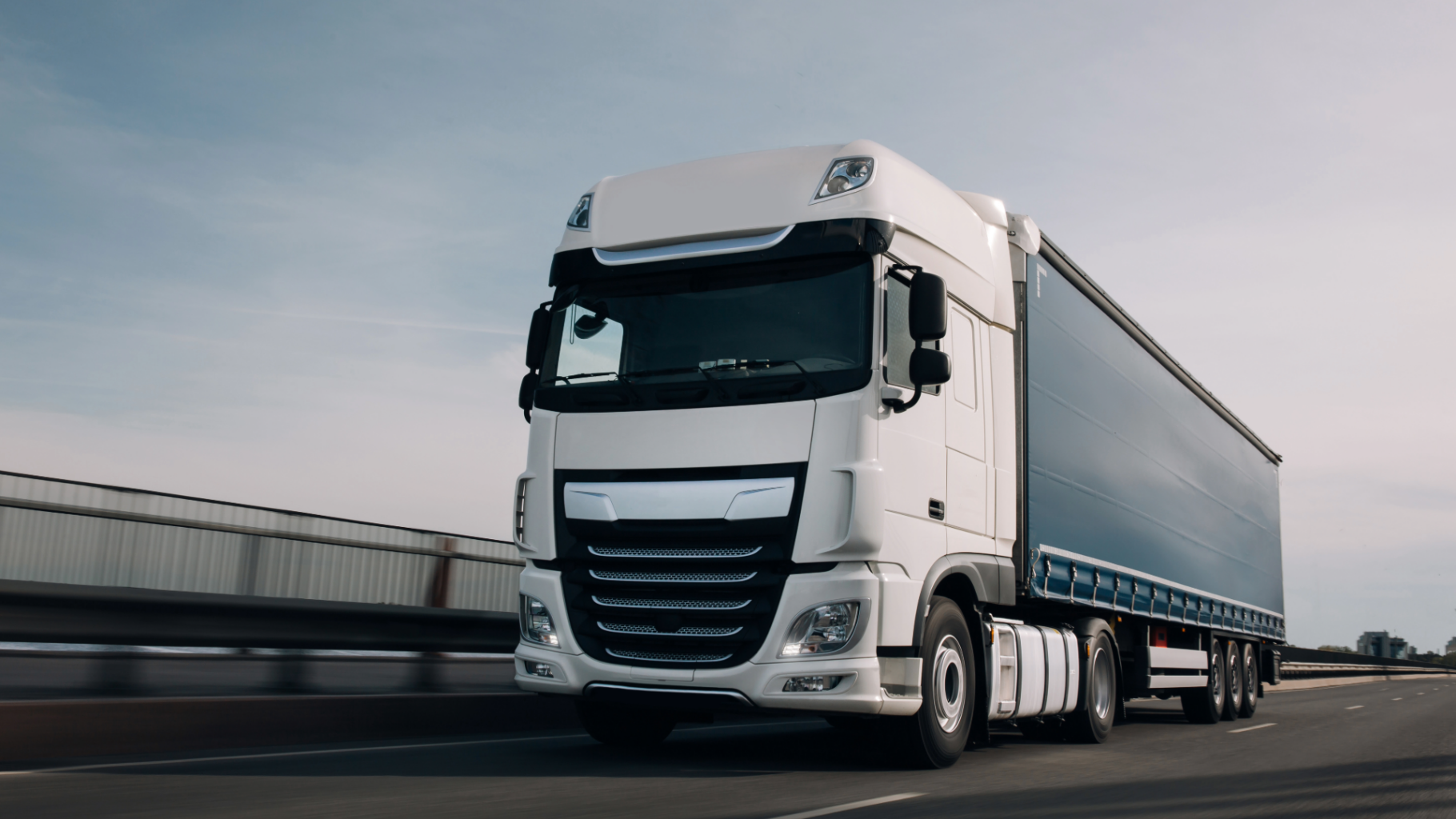
Tesco, Sainsbury’s and M&S are backing a new AI-powered logistics platform designed to make it easier to transport surplus food to charities by using spare capacity on HGVs.

The initiative, led by the Alliance Food Sourcing coalition, matches surplus food that needs to be delivered with available space on lorries already travelling across the UK. The aim is to reduce the cost and environmental impact of food redistribution while making better use of existing transport networks.

Sainsbury’s was the first retailer to trial the technology earlier this year, working with logistics provider GXO. The trial is expected to move around 5,300 tonnes of food, save more than 42,000 road miles and reduce CO₂ emissions by 62.9 tonnes over six months. It is also projected to deliver £170,000 in logistics savings.

The platform acts as a central “mission control”, using AI to identify suitable transport opportunities. Alongside planned routes, logistics providers can also pick up short-notice surplus food deliveries where spare capacity is available.

Other businesses are now supporting the project. Greencore is providing regular free movements in London, while Tesco, M&S and Gist are contributing consultancy and logistics support. The initiative is expected to expand nationwide, with the potential to save Felix around £1 million in its first full year of rollout.

The technology could also eventually be used to identify other opportunities across the food supply chain, including spare factory capacity, ingredients and packaging, helping businesses work together to make better use of resources.

With the project now opening up to more businesses, its next phase will focus on scaling the technology and testing how effectively shared logistics can support surplus food redistribution across the UK.

MIT half page ad small

Latest news